A Beginner’s Guide to Exporting Agro-Commodities From Africa
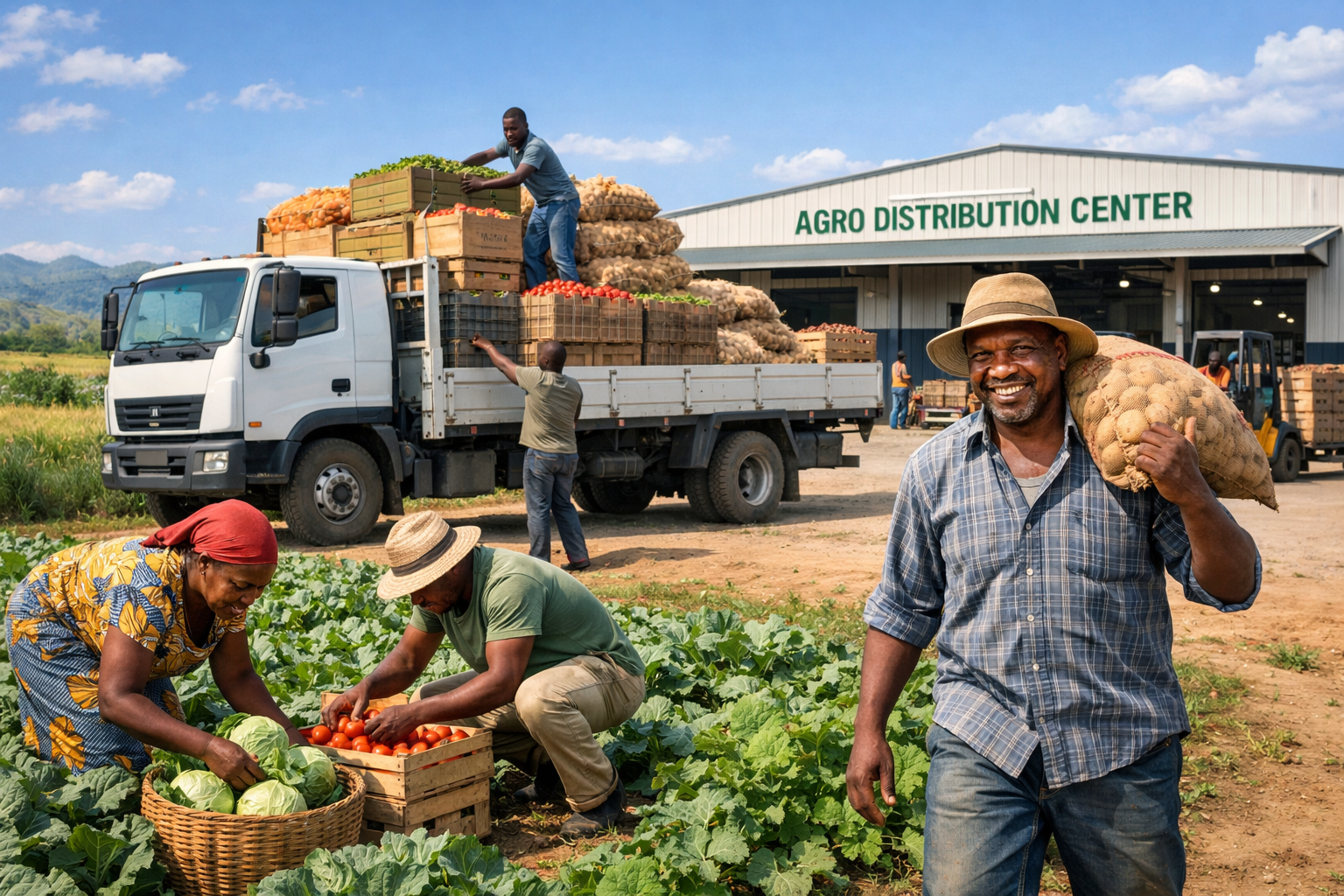
Exporting agro-commodities from Africa is one of the fastest ways for farmers, aggregators, cooperatives, and agribusinesses to scale beyond local markets. From cocoa, cashew, sesame, soybeans, ginger, and coffee to maize and shea, African produce is in strong demand across Europe, Asia, the Middle East, and
Learn More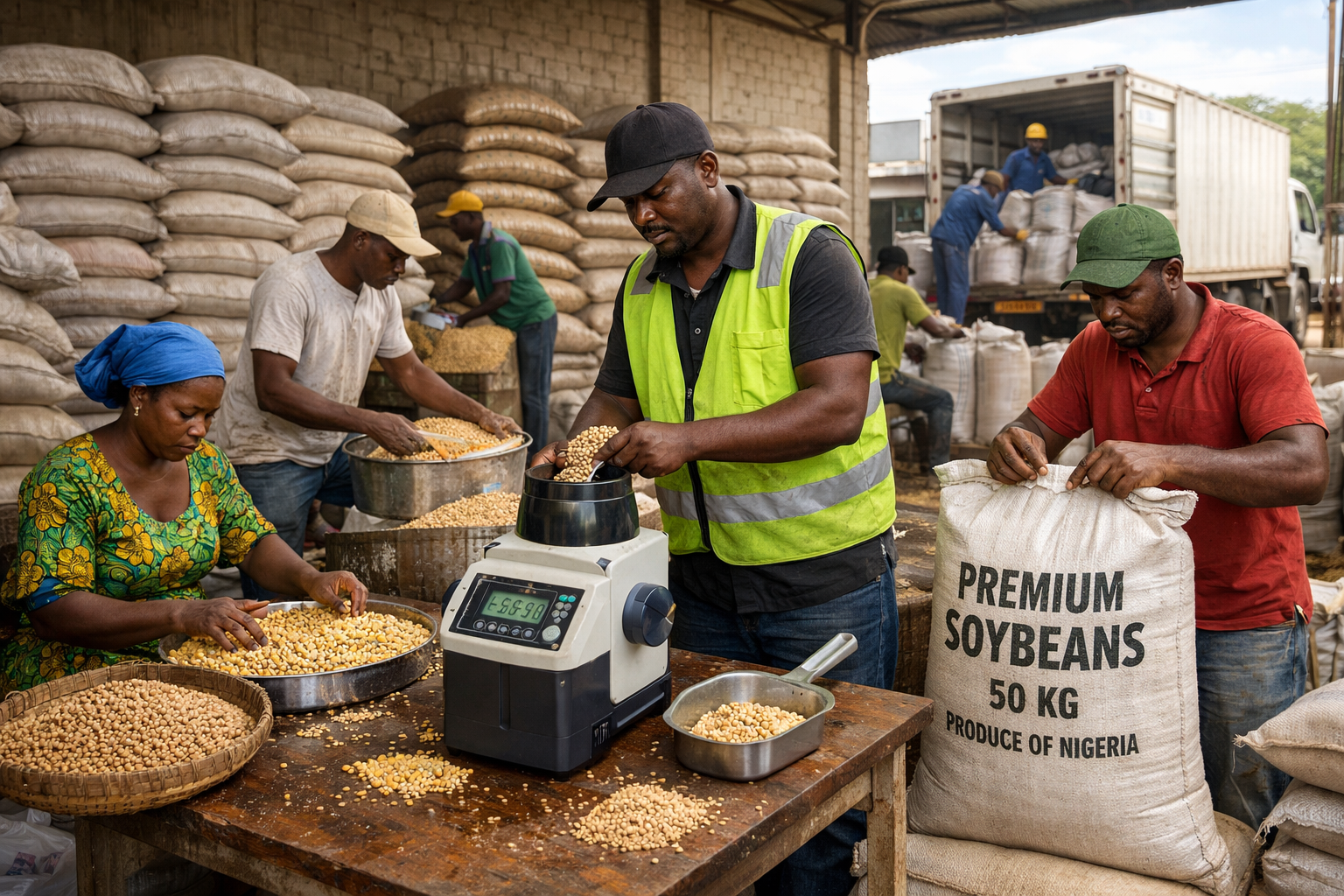
How to Prepare Your Farm Produce for Industrial Buyers
Selling to industrial buyers—such as food manufacturers, feed mills, exporters, breweries, FMCG companies, and processors—can transform a farm business from seasonal sales into predictable, high-volume revenue. But industrial buyers are different from open-market traders. They prioritize consistency, quality, traceability, packaging, and timely delivery. If your produce
Learn More
Tips for Smallholder Farmers to Connect With Buyers Online
For many smallholder farmers across Africa, one of the biggest challenges is not growing crops—it is finding reliable buyers at fair prices. Traditional selling methods often depend on local middlemen, informal markets, or word-of-mouth referrals. While these channels still play an important role, they can limit
Learn More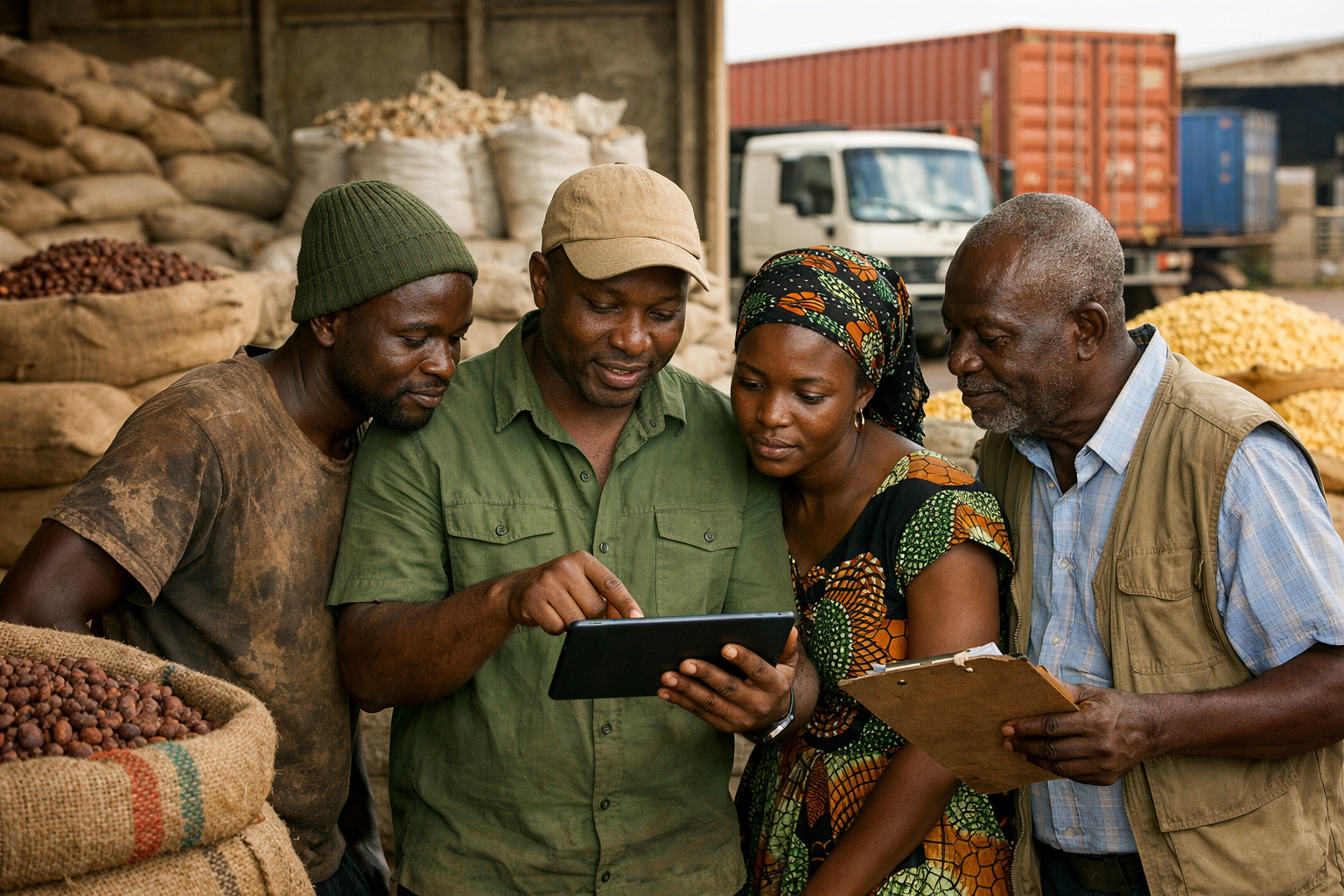
Agro-Commodity Pricing Explained: Factors That Influence Costs Across Africa
Agro-commodity prices are never random. Whether it is cocoa in Nigeria, cashew in Ghana, sesame in Sudan, or maize in Kenya, prices move based on a combination of production realities, logistics, demand, policy, and global market conditions. For farmers, aggregators, processors, exporters, and digital trade platforms,
Learn More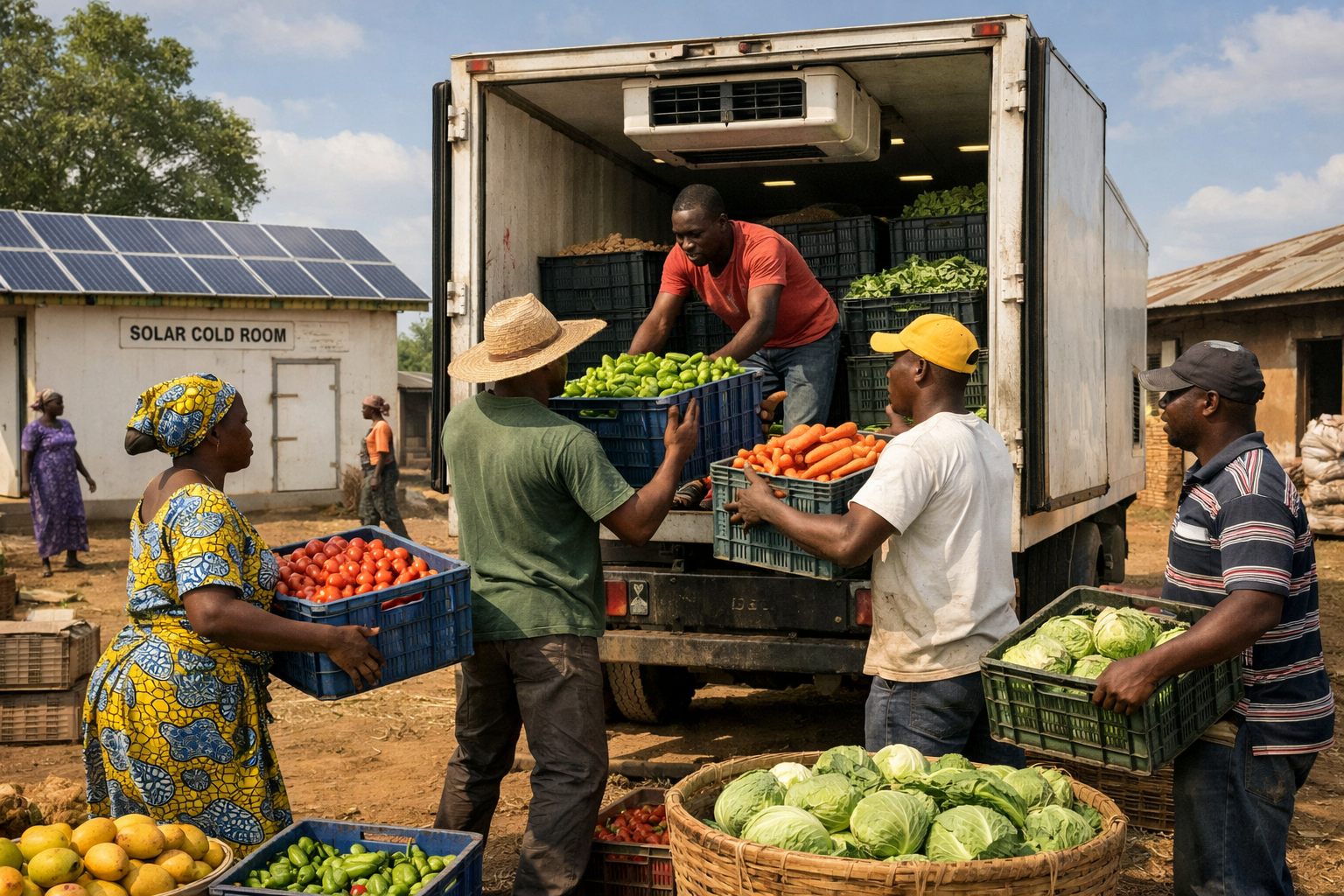
The Role of Logistics Tech in Reducing Post-Harvest Losses in Nigeria and Beyond
Post-harvest losses remain one of the biggest challenges facing agriculture in Nigeria and across Africa. Despite significant investments in farming, a large portion of harvested produce never reaches the market. Instead, it is lost due to poor storage, inefficient transportation, and weak supply chain systems. Recent
Learn More
The Future of Agro-Commodity Trading in Africa
Africa’s agricultural sector is undergoing a major transformation. Traditionally, agro-commodity trading relied on informal networks of farmers, middlemen, and local traders. While this system supported millions of livelihoods, it often lacked transparency, financing access, and efficient logistics. Today, technological innovation, regional trade integration, and investment in
Learn More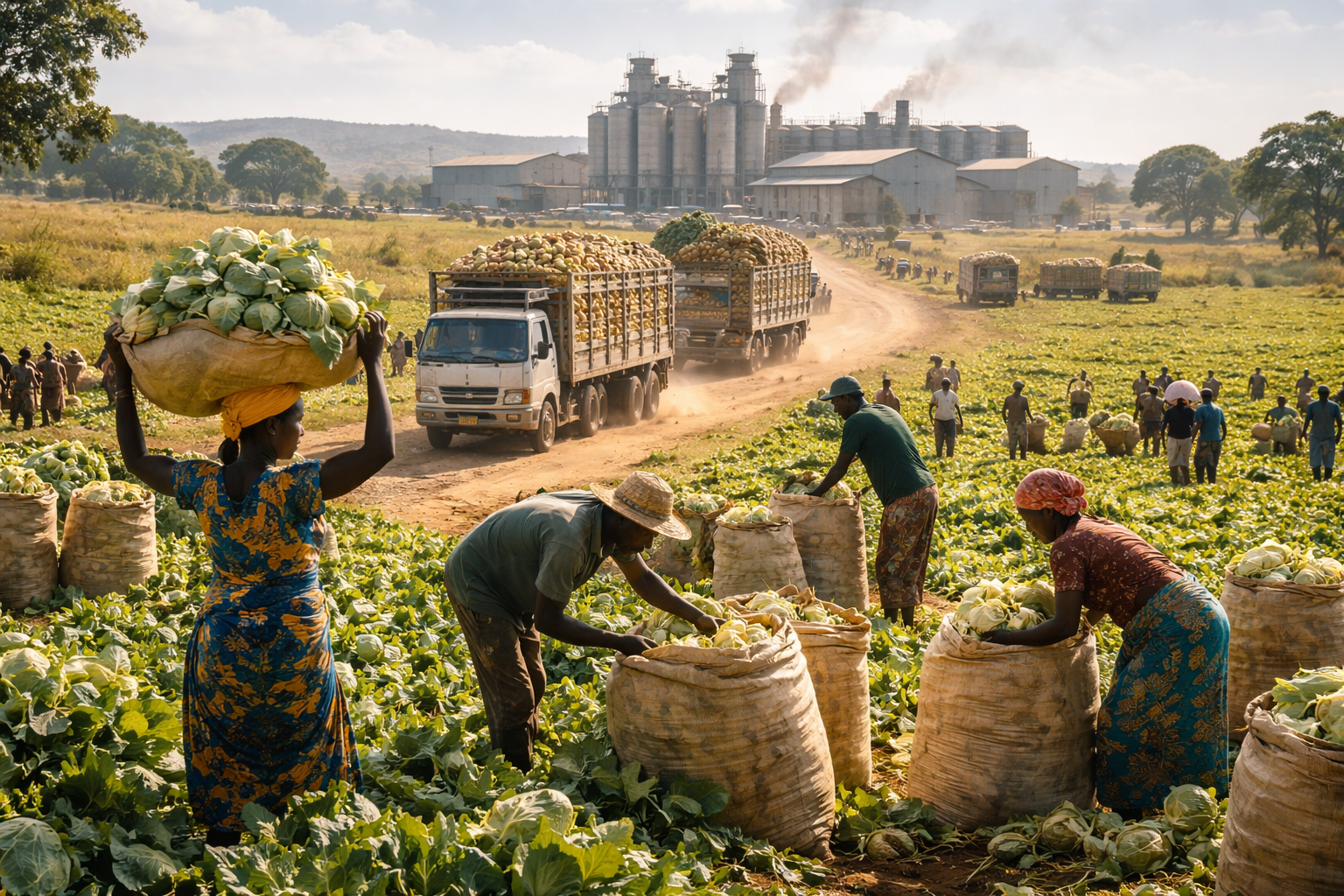
Understanding the Agro-Commodity Supply Chain: From Farm to Factory
Agriculture is the backbone of many African economies, supporting millions of farmers, suppliers, traders, and manufacturers. However, agricultural products do not move directly from farms to consumers. Instead, they pass through a structured process known as the agro-commodity supply chain. This supply chain connects farmers who
Learn More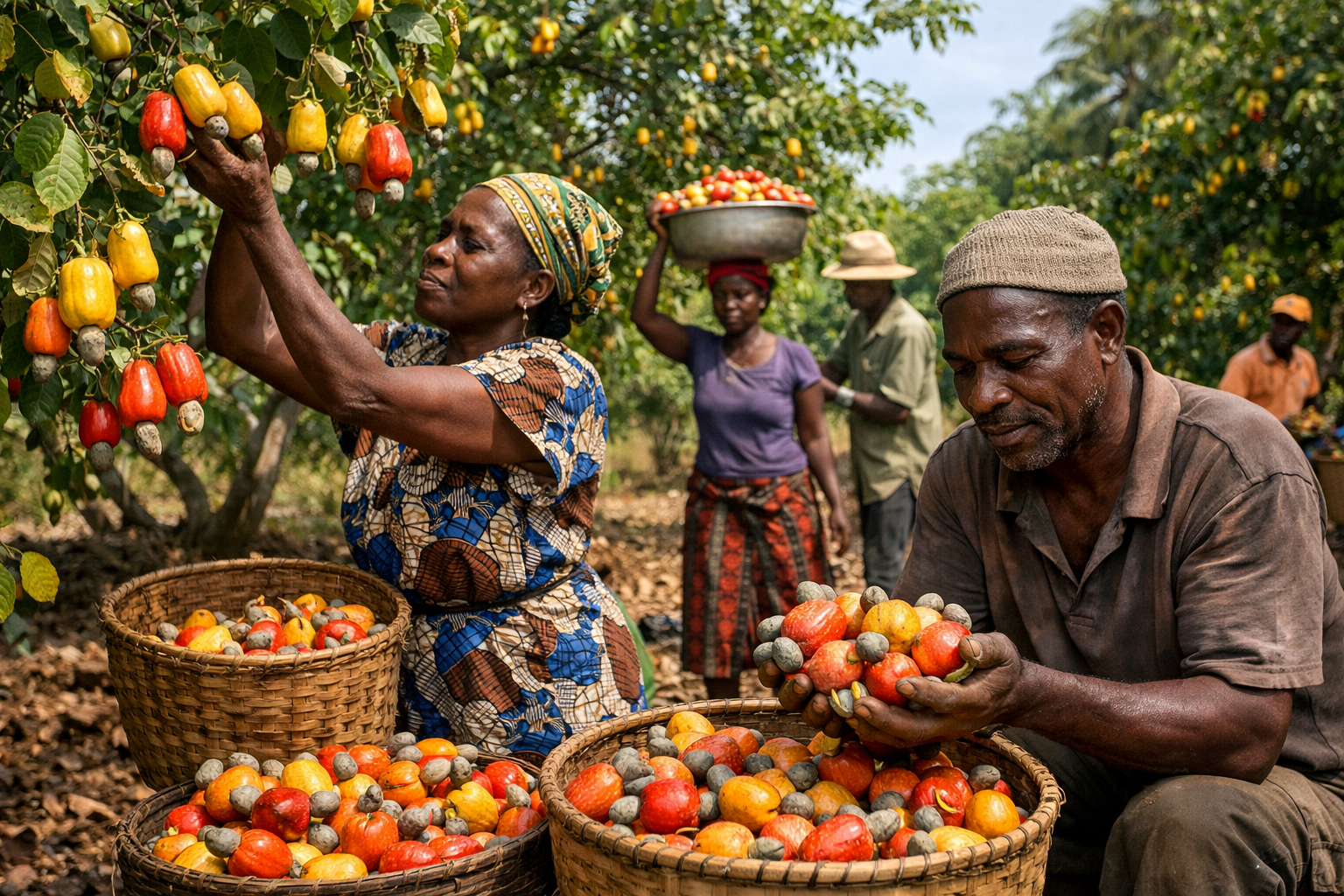
Why Cashew Is One of Africa’s Most Profitable Cash Crops
Cashew has become one of Africa’s most valuable agricultural exports. Across West and East Africa, thousands of farmers rely on cashew as a primary source of income, while exporters, aggregators, and processors see it as a high-demand commodity in global markets. With strong international demand, relatively
Learn More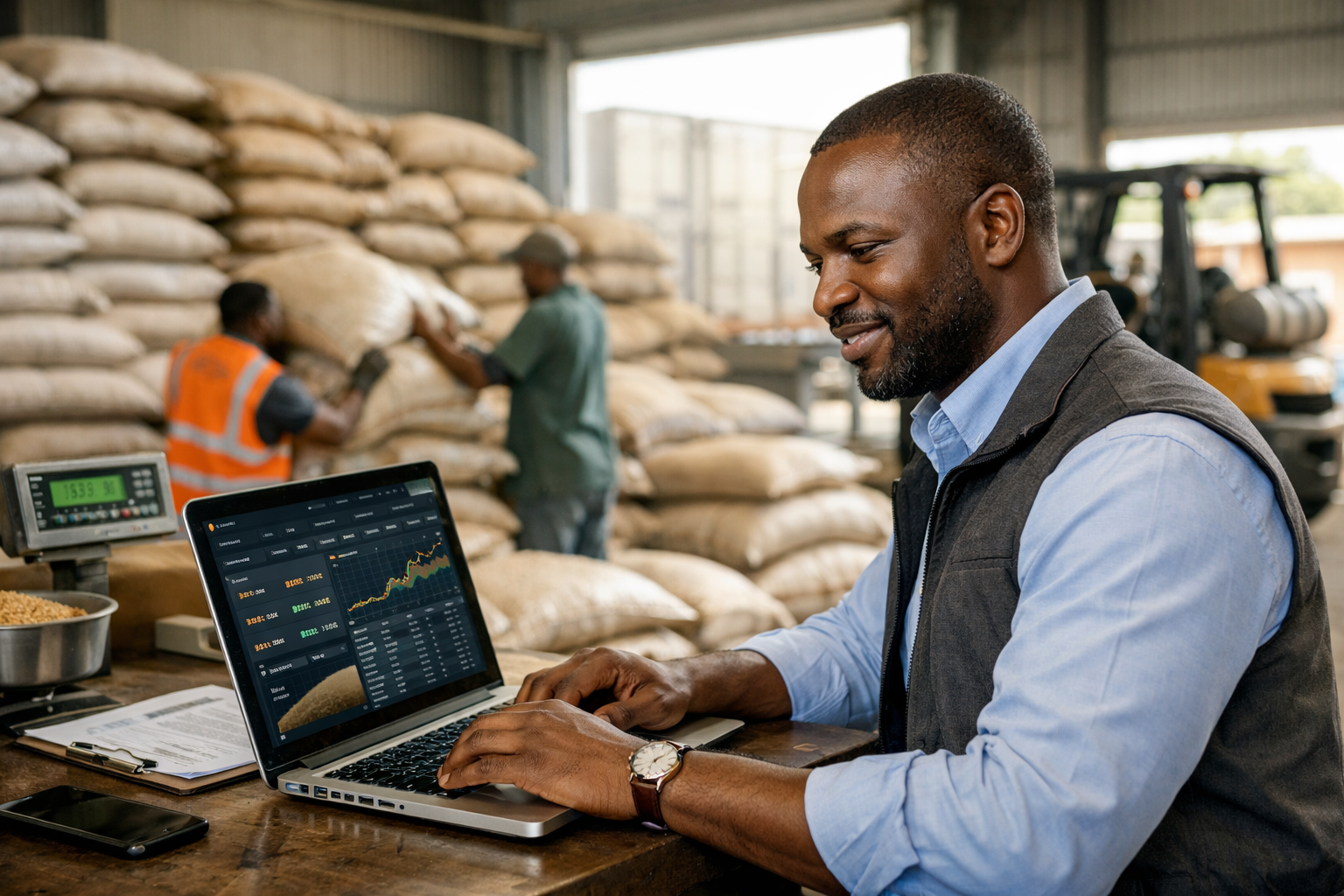
How Digital Marketplaces Are Transforming Agricultural Supply Chains in Africa
Africa’s agricultural sector employs millions of people and contributes significantly to GDP across many countries. Yet, for decades, agricultural supply chains have struggled with inefficiencies — fragmented markets, poor price transparency, limited access to finance, and weak logistics infrastructure. Today, digital marketplaces are reshaping this landscape.
Learn More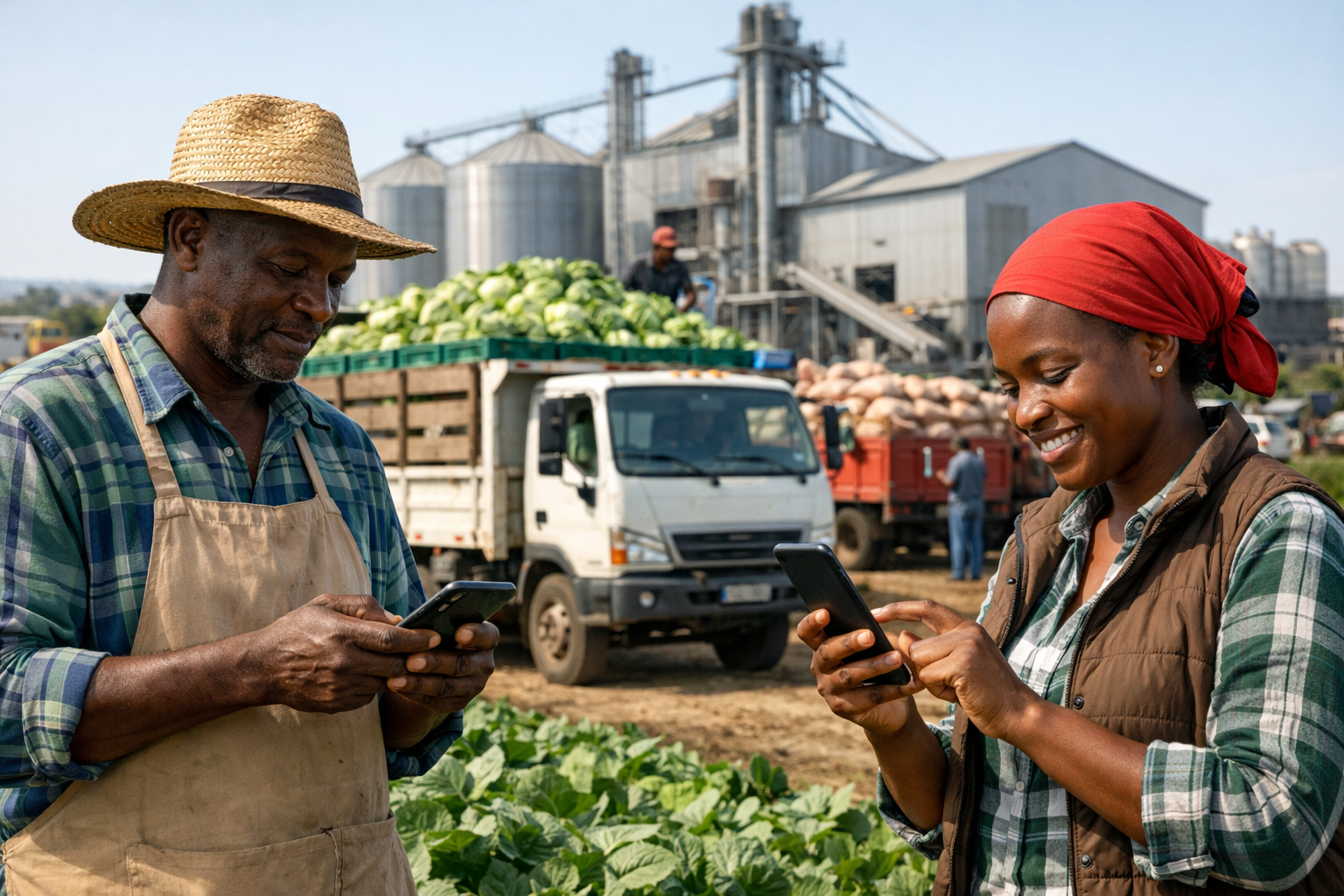
From Farm to Factory: Digitizing Agro-Commodity Trade in Africa
Africa is one of the world’s largest producers of agricultural commodities. Millions of smallholder farmers, agro-processors, and manufacturers rely on a complex network of intermediaries, traders, and transport systems to get crops from the farm to processing factories. Despite the continent’s enormous agricultural potential, traditional supply
Learn More