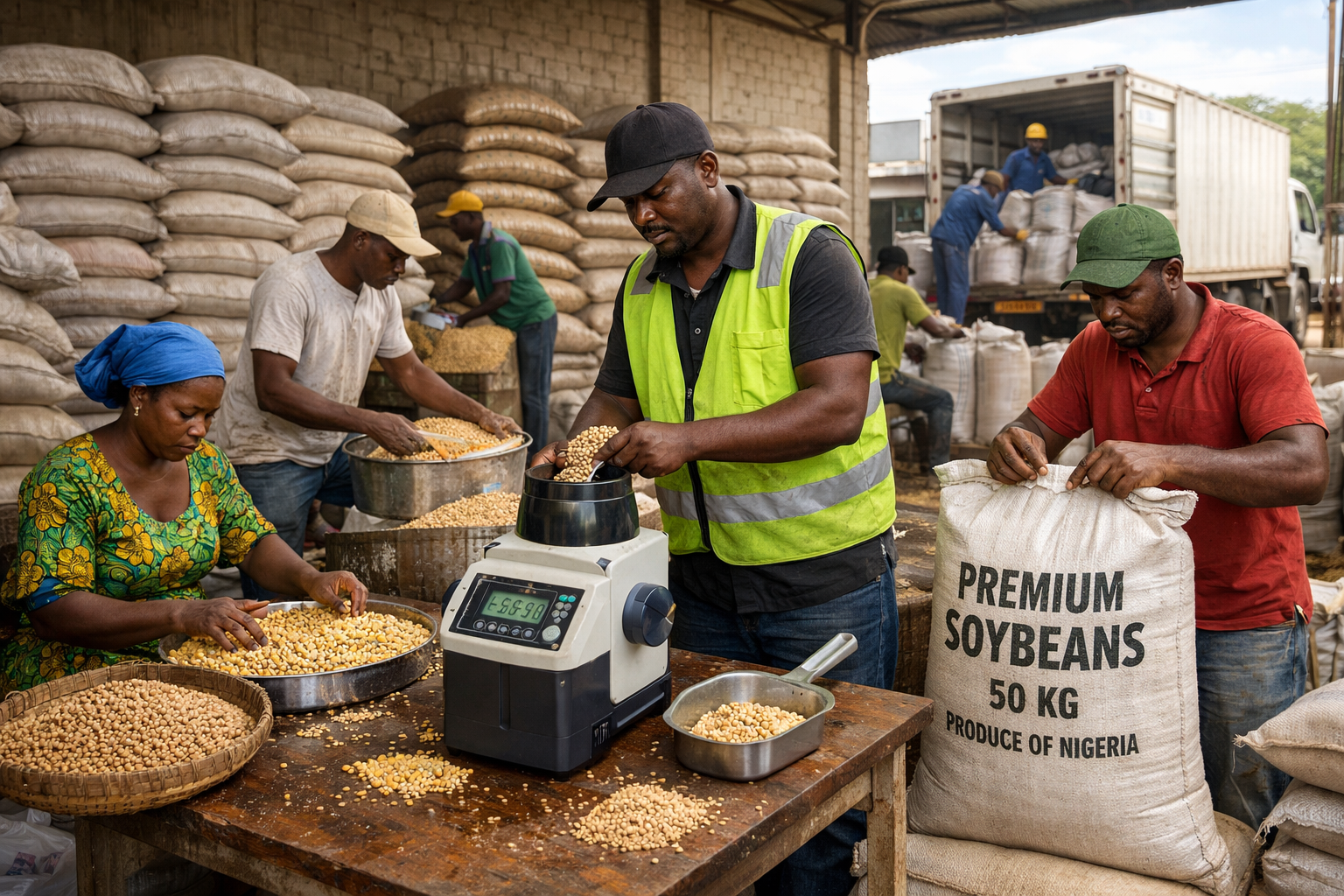
How to Prepare Your Farm Produce for Industrial Buyers
Selling to industrial buyers—such as food manufacturers, feed mills, exporters, breweries, FMCG companies, and processors—can transform a farm business from seasonal sales into predictable, high-volume revenue. But industrial buyers are different from open-market traders. They prioritize consistency, quality, traceability, packaging, and timely delivery. If your produce
Learn More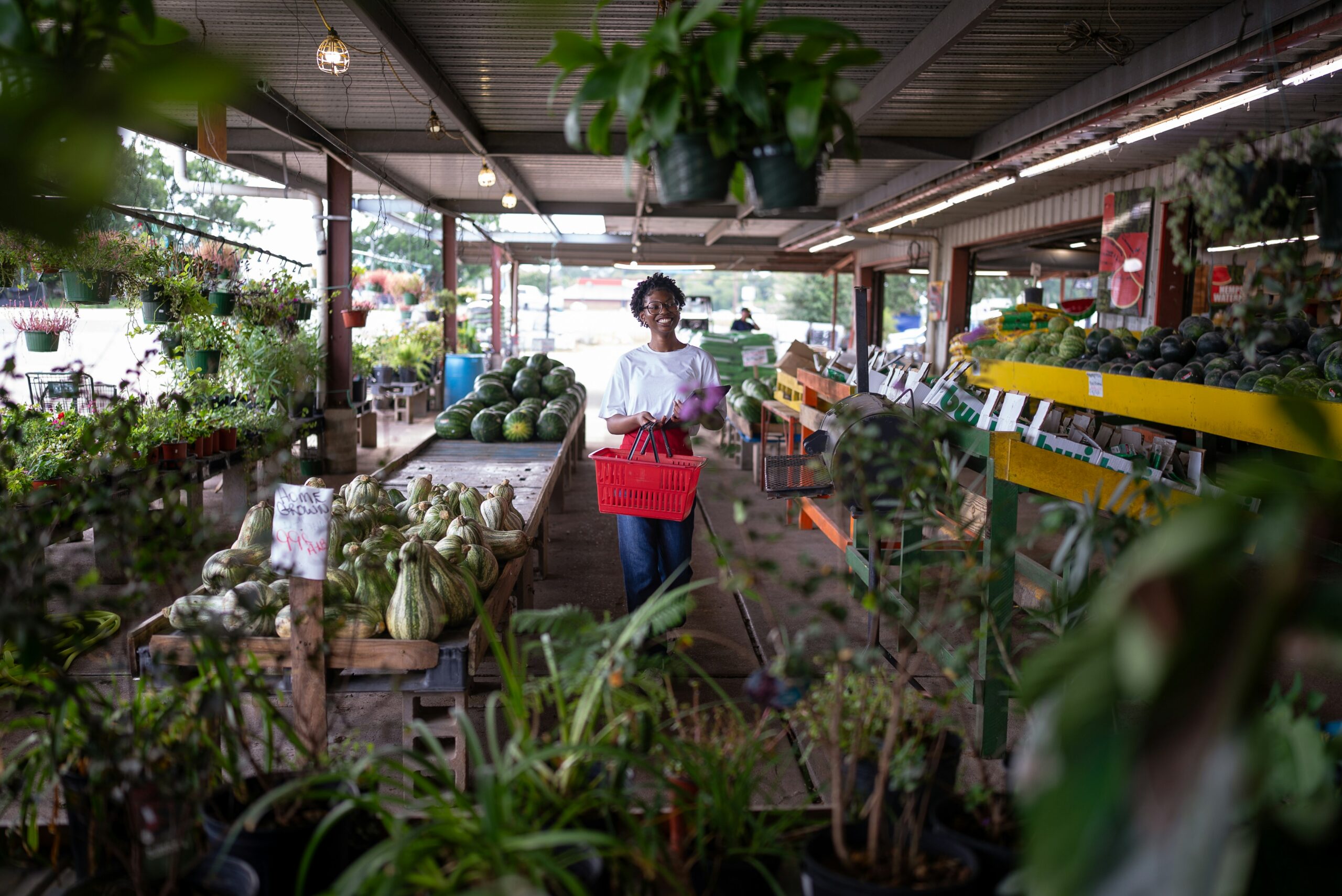
Tips for Smallholder Farmers to Connect With Buyers Online
For many smallholder farmers across Africa, one of the biggest challenges is not growing crops—it is finding reliable buyers at fair prices. Traditional selling methods often depend on local middlemen, informal markets, or word-of-mouth referrals. While these channels still play an important role, they can limit
Learn More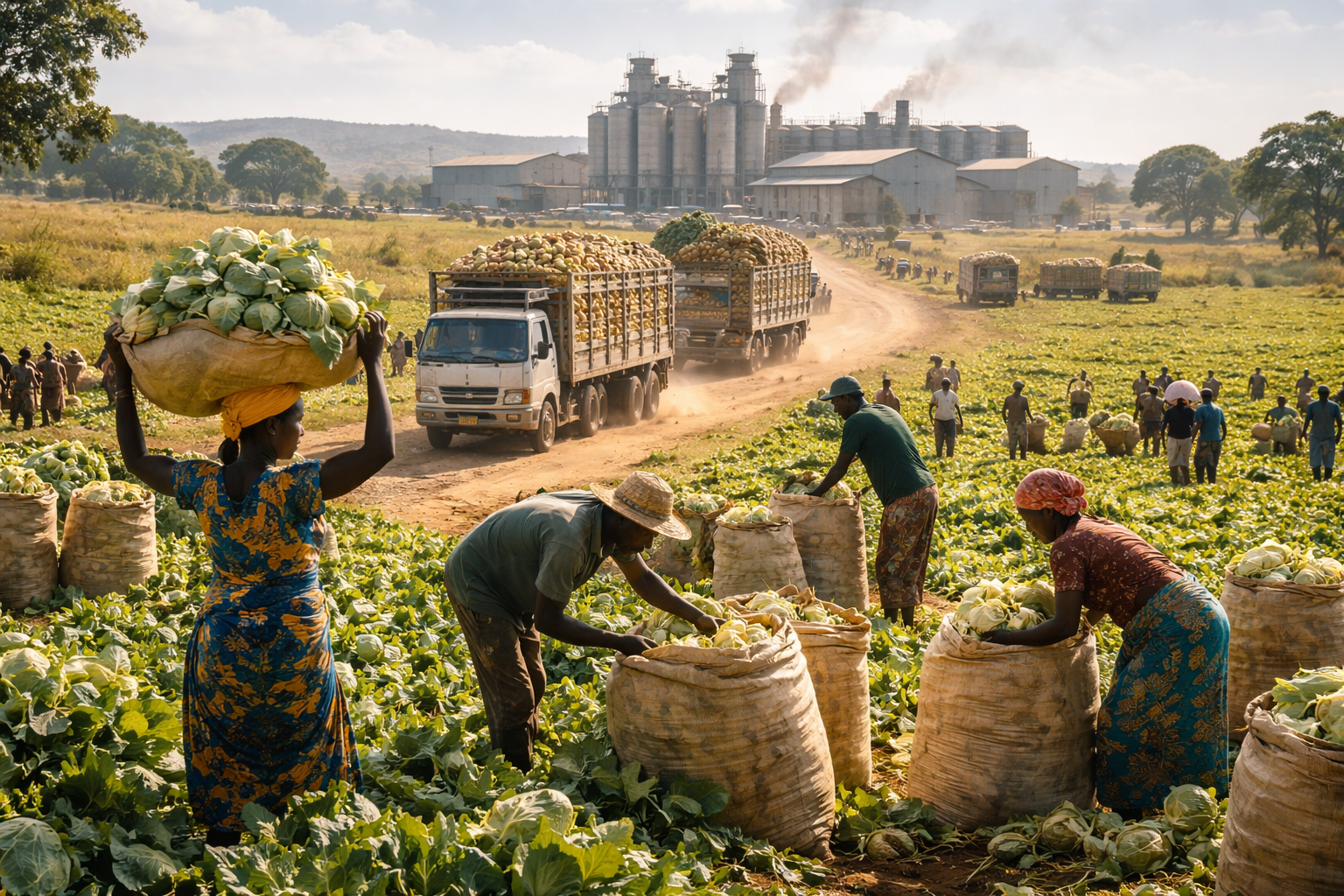
Understanding the Agro-Commodity Supply Chain: From Farm to Factory
Agriculture is the backbone of many African economies, supporting millions of farmers, suppliers, traders, and manufacturers. However, agricultural products do not move directly from farms to consumers. Instead, they pass through a structured process known as the agro-commodity supply chain. This supply chain connects farmers who
Learn More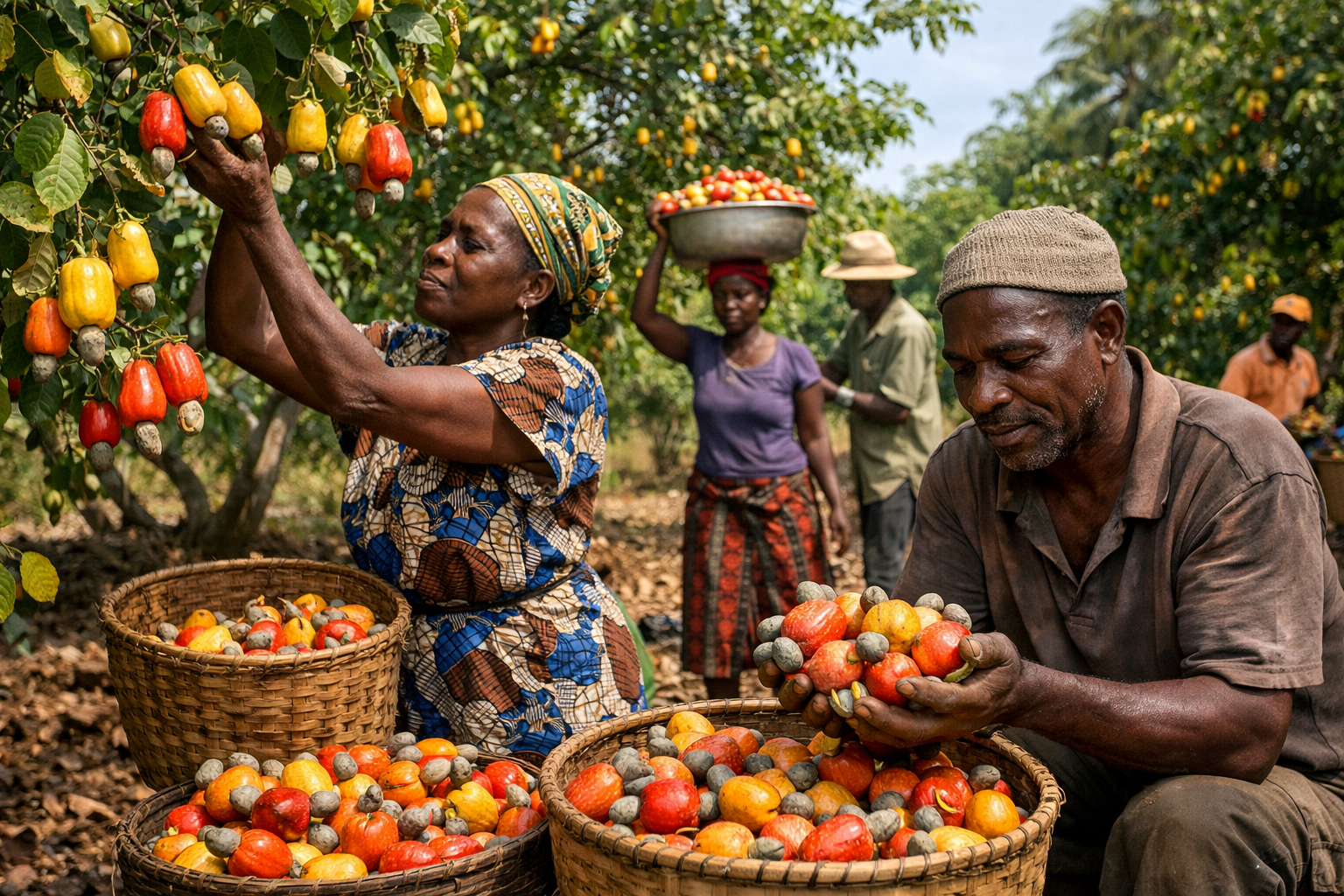
Why Cashew Is One of Africa’s Most Profitable Cash Crops
Cashew has become one of Africa’s most valuable agricultural exports. Across West and East Africa, thousands of farmers rely on cashew as a primary source of income, while exporters, aggregators, and processors see it as a high-demand commodity in global markets. With strong international demand, relatively
Learn More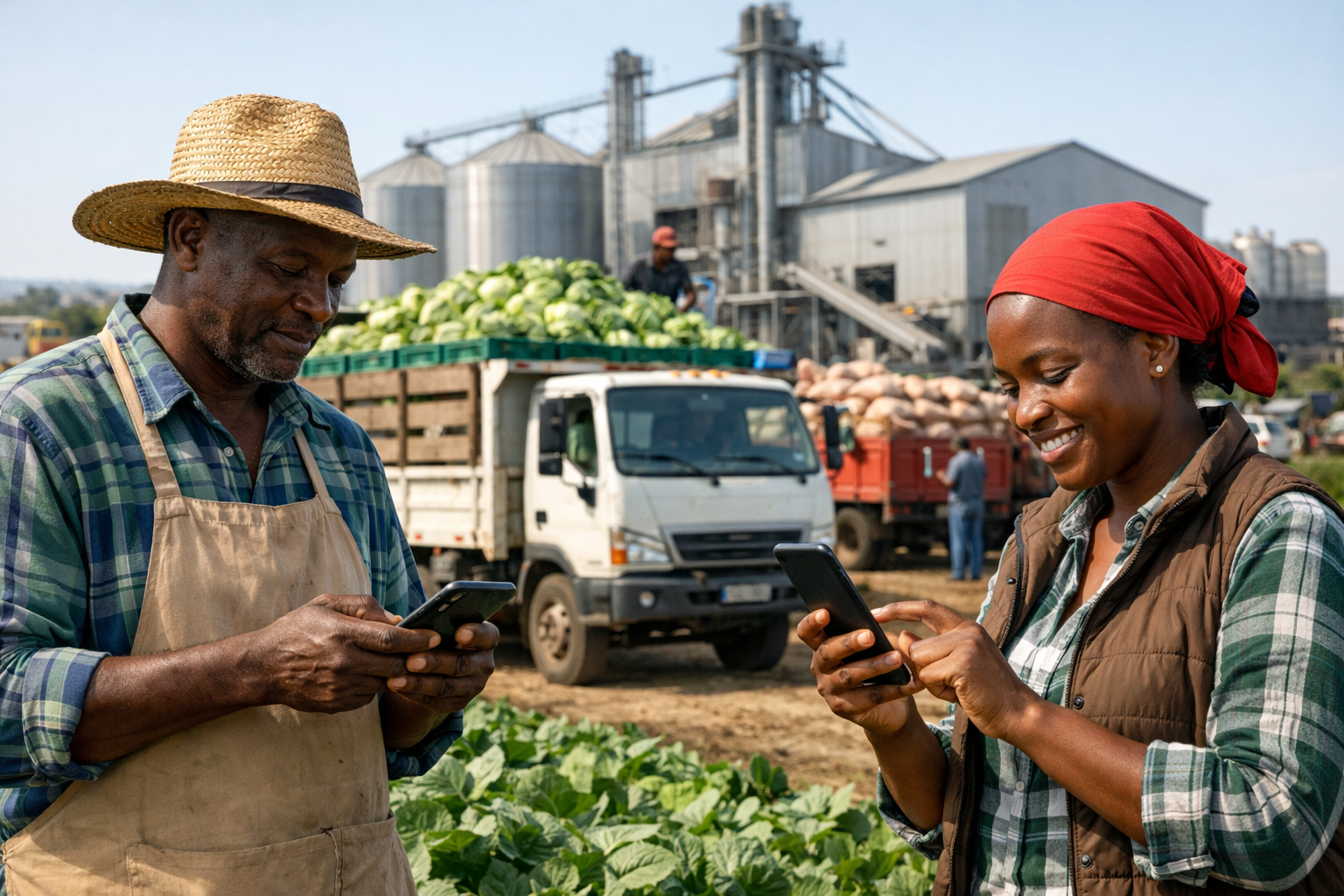
From Farm to Factory: Digitizing Agro-Commodity Trade in Africa
Africa is one of the world’s largest producers of agricultural commodities. Millions of smallholder farmers, agro-processors, and manufacturers rely on a complex network of intermediaries, traders, and transport systems to get crops from the farm to processing factories. Despite the continent’s enormous agricultural potential, traditional supply
Learn More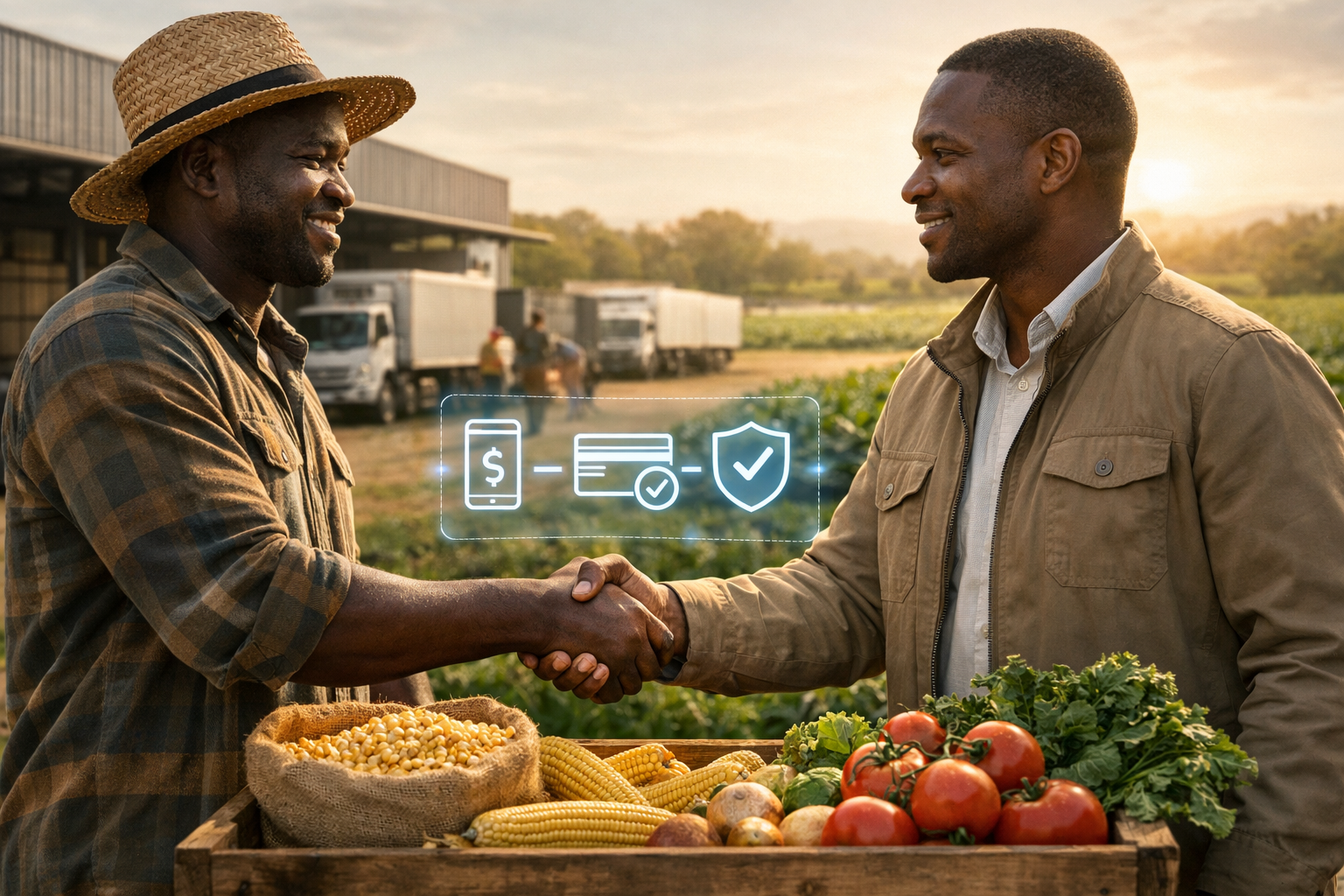
Solving the Financing Gap in African Agriculture: How Embedded Trade Finance Unlocks Growth
Agriculture employs over 60% of Africa’s workforce, yet receives less than 5% of commercial lending in many countries. This financing gap is one of the biggest barriers to scaling agro-commodity trade. The issue is not lack of demand for credit — it is lack of trust,
Learn More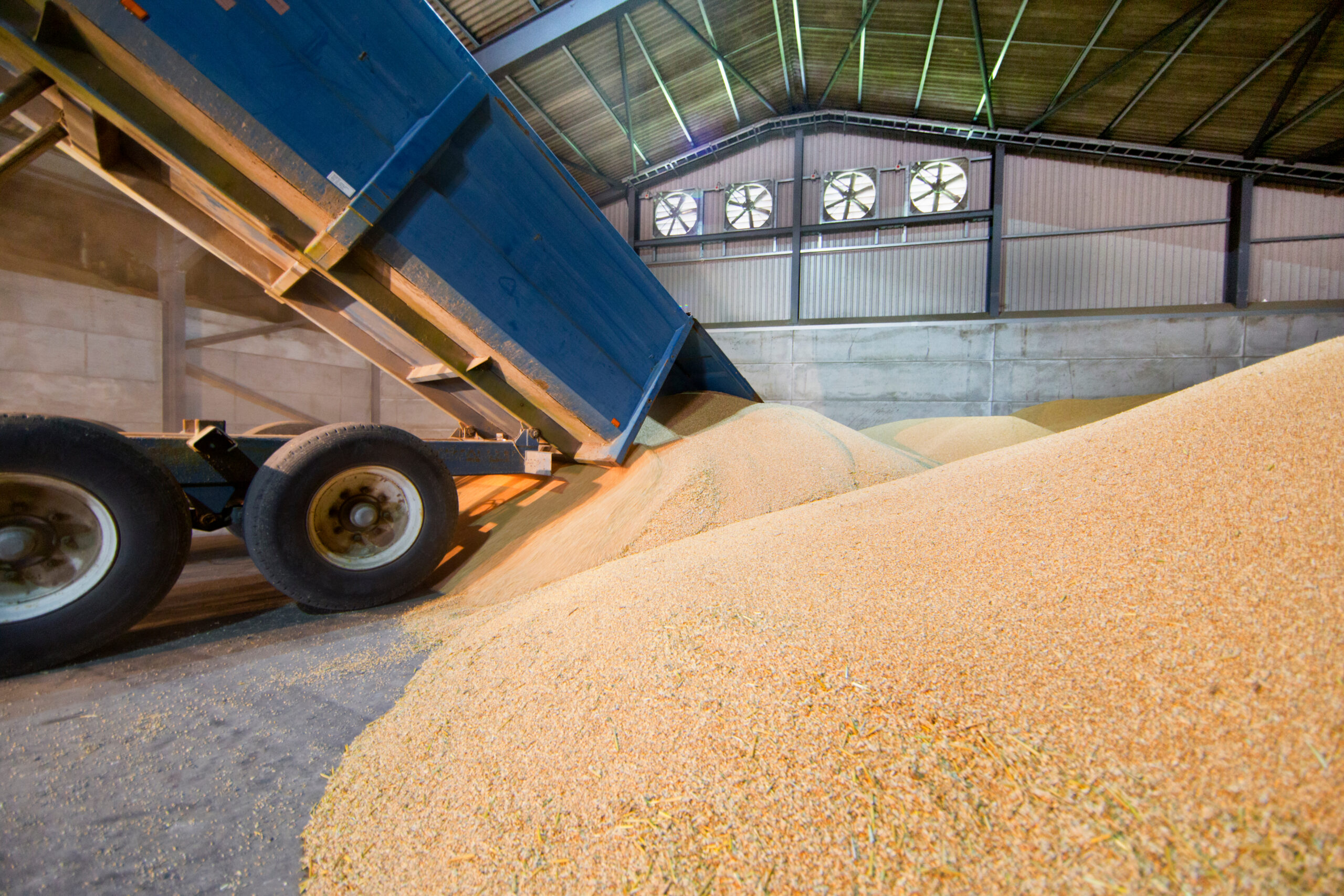
From Farm to Factory: How Digital Marketplaces Are Transforming Agro-Commodity Trade in Africa
For decades, agro-commodity trade in Africa has relied on informal networks, middlemen, and opaque pricing systems. While these networks kept goods moving, they also created inefficiencies, mistrust, and lost value for producers and buyers alike. Today, digital marketplaces are rewriting this story. From farm to factory,
Learn More
Building Africa’s Agro-Commodity Supply Engine: Why Trade Infrastructure Matters More Than Ever
Africa produces over 60% of the world’s uncultivated arable land, yet the continent remains a net importer of food. This paradox is not caused by a lack of farmers, crops, or demand — it is caused by broken trade infrastructure. Agro-commodity trade in Africa is fragmented.
Learn More