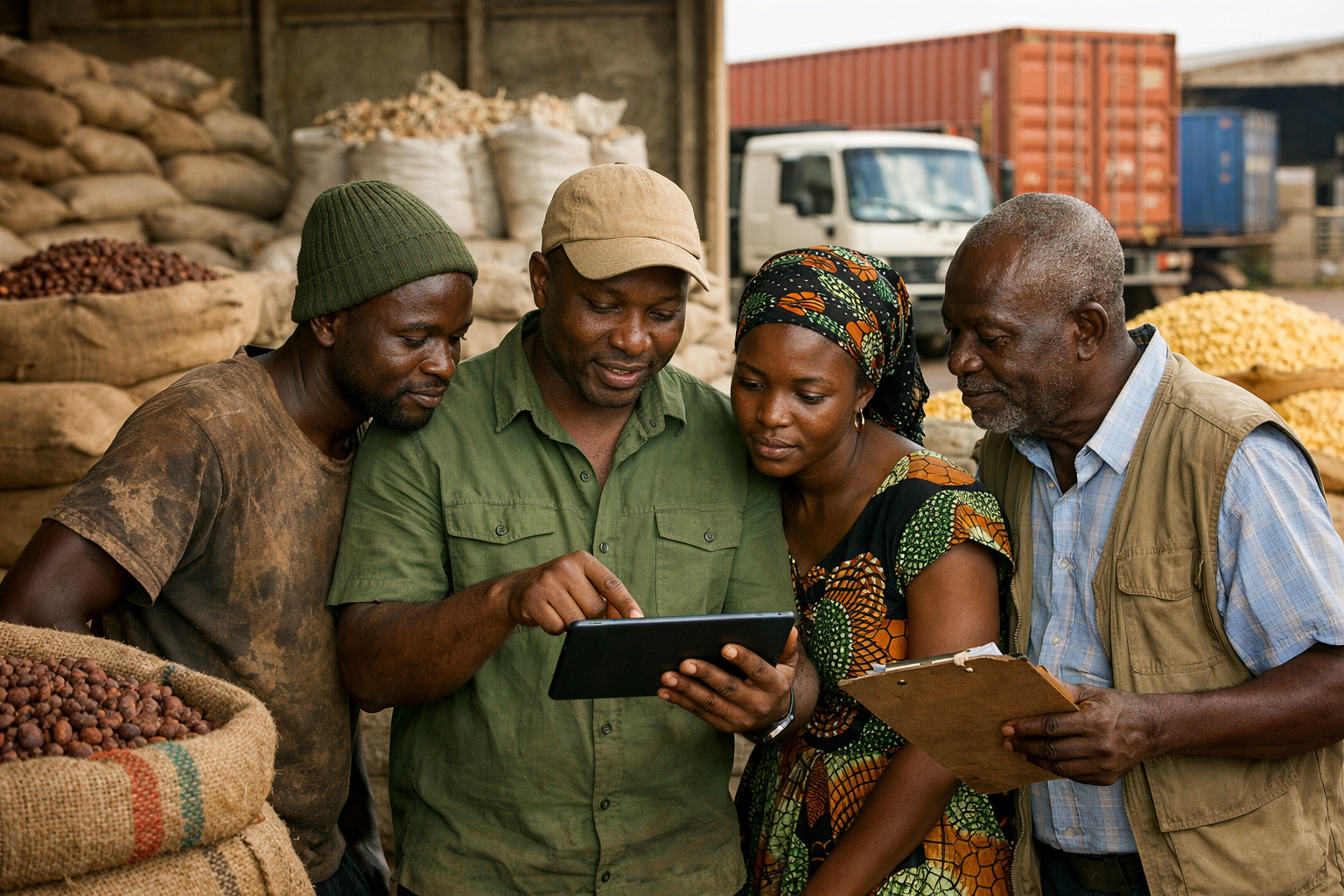
Agro-Commodity Pricing Explained: Factors That Influence Costs Across Africa
Agro-commodity prices are never random. Whether it is cocoa in Nigeria, cashew in Ghana, sesame in Sudan, or maize in Kenya, prices move based on a combination of production realities, logistics, demand, policy, and global market conditions. For farmers, aggregators, processors, exporters, and digital trade platforms,
Learn More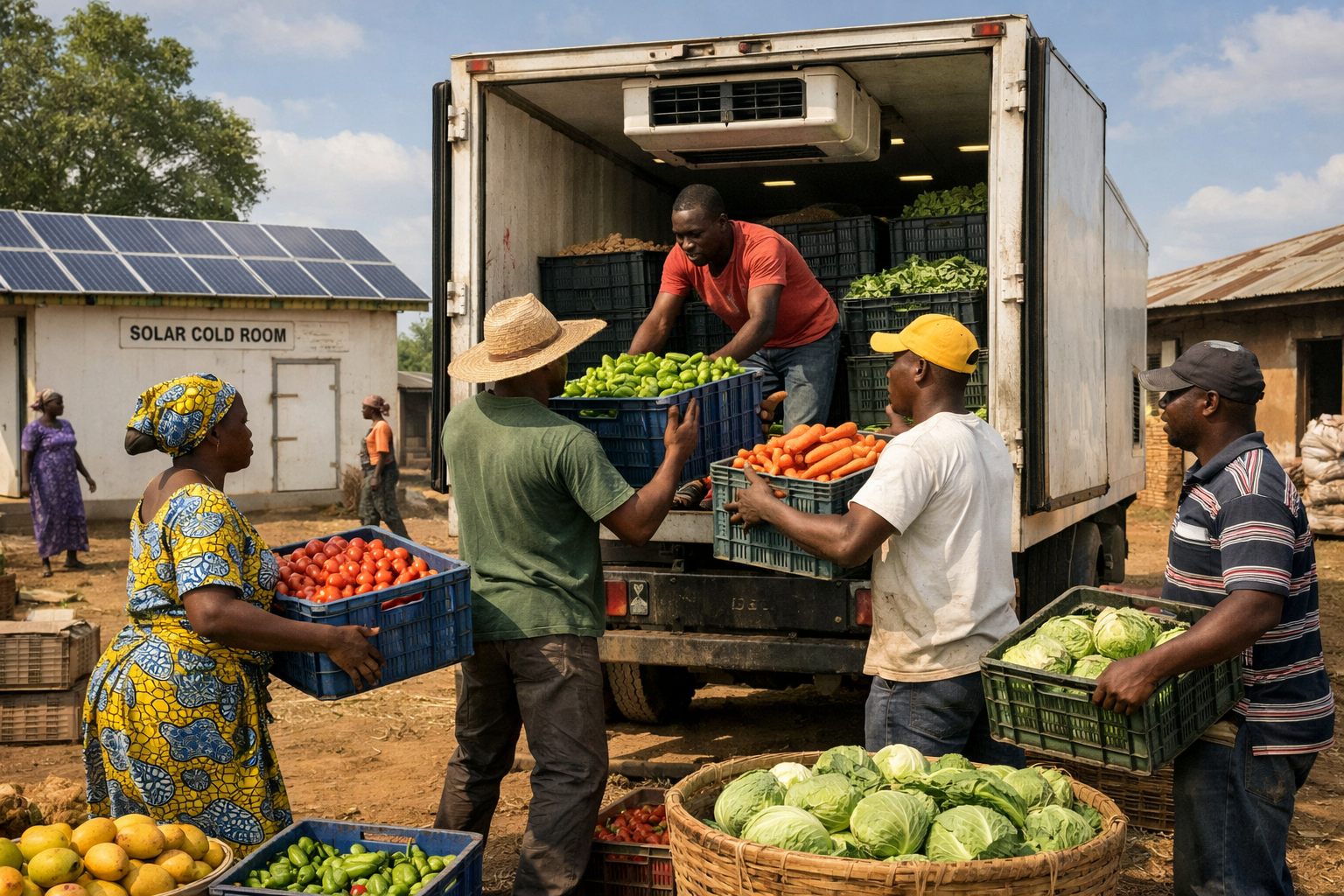
The Role of Logistics Tech in Reducing Post-Harvest Losses in Nigeria and Beyond
Post-harvest losses remain one of the biggest challenges facing agriculture in Nigeria and across Africa. Despite significant investments in farming, a large portion of harvested produce never reaches the market. Instead, it is lost due to poor storage, inefficient transportation, and weak supply chain systems. Recent
Learn More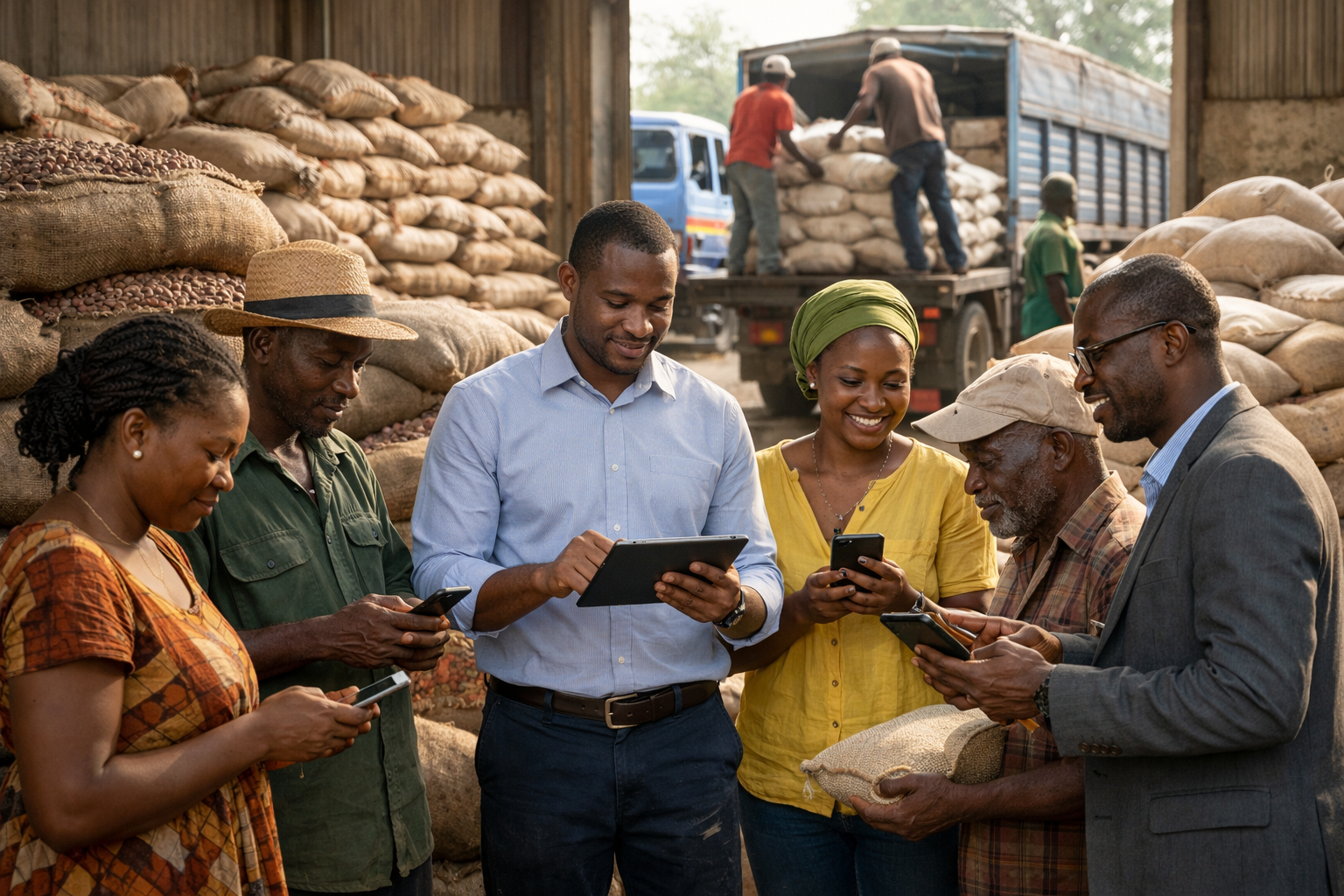
The Future of Agro-Commodity Trading in Africa
Africa’s agricultural sector is undergoing a major transformation. Traditionally, agro-commodity trading relied on informal networks of farmers, middlemen, and local traders. While this system supported millions of livelihoods, it often lacked transparency, financing access, and efficient logistics. Today, technological innovation, regional trade integration, and investment in
Learn More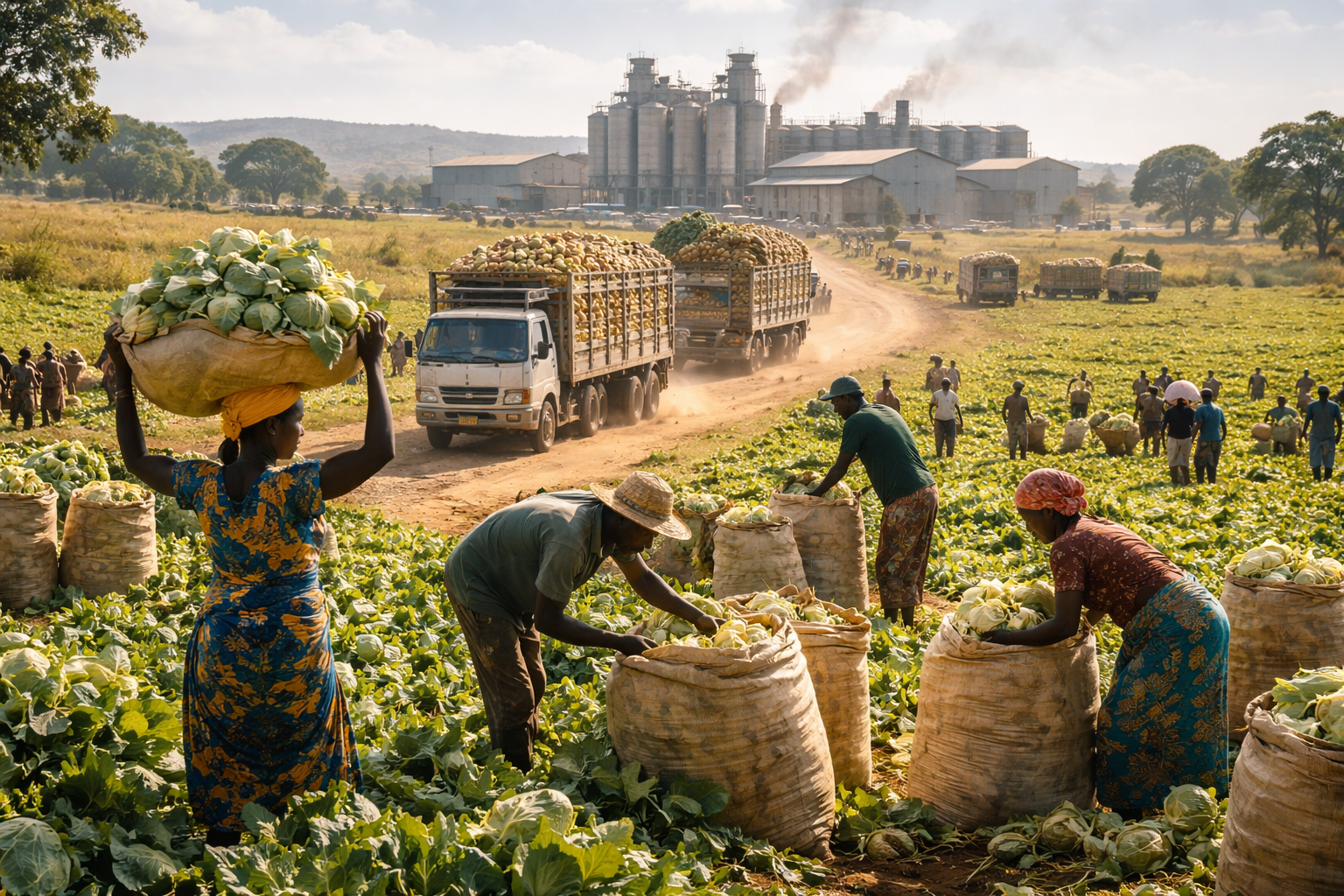
Understanding the Agro-Commodity Supply Chain: From Farm to Factory
Agriculture is the backbone of many African economies, supporting millions of farmers, suppliers, traders, and manufacturers. However, agricultural products do not move directly from farms to consumers. Instead, they pass through a structured process known as the agro-commodity supply chain. This supply chain connects farmers who
Learn More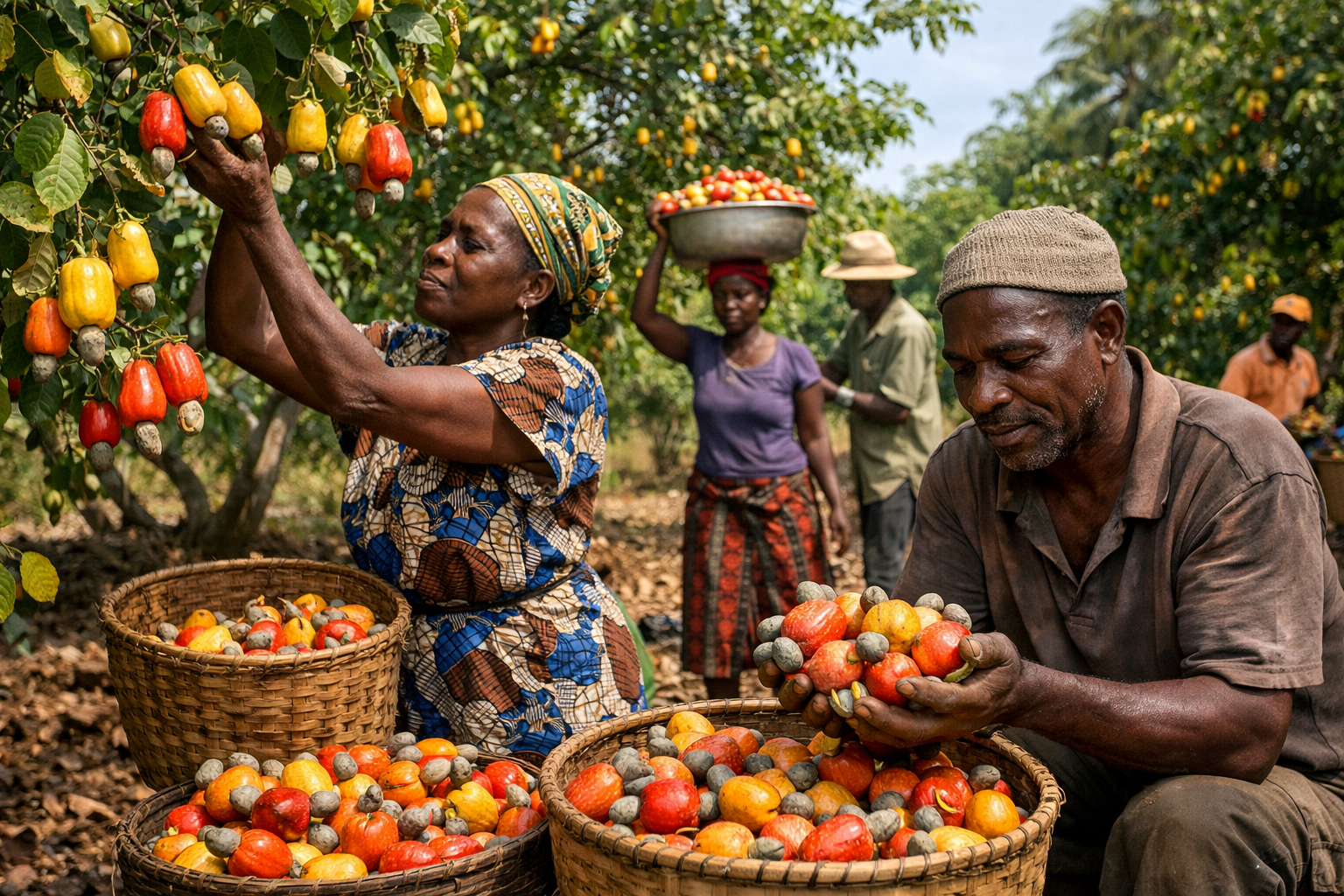
Why Cashew Is One of Africa’s Most Profitable Cash Crops
Cashew has become one of Africa’s most valuable agricultural exports. Across West and East Africa, thousands of farmers rely on cashew as a primary source of income, while exporters, aggregators, and processors see it as a high-demand commodity in global markets. With strong international demand, relatively
Learn More