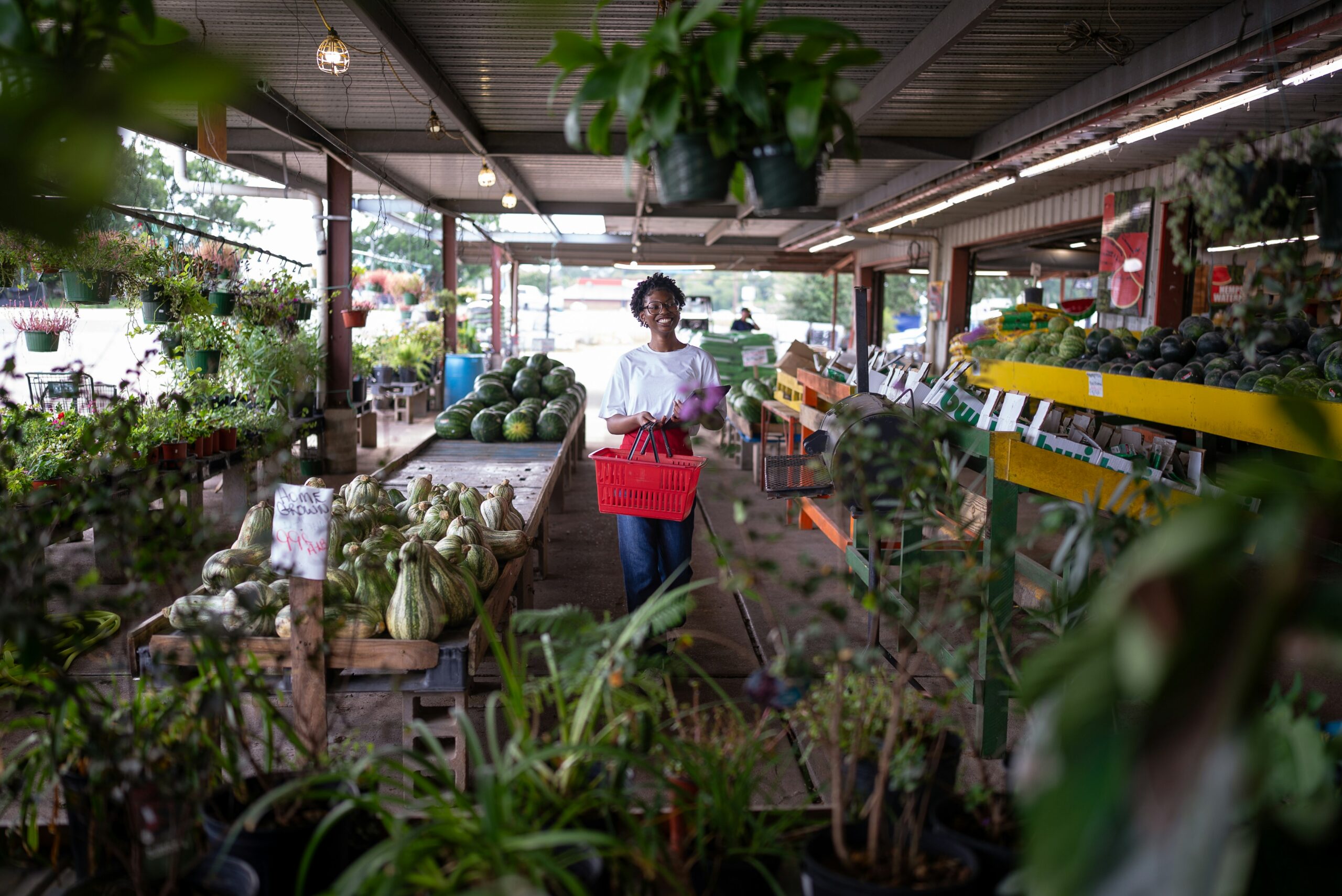
For many smallholder farmers across Africa, one of the biggest challenges is not growing crops—it is finding reliable buyers at fair prices.
Traditional selling methods often depend on local middlemen, informal markets, or word-of-mouth referrals. While these channels still play an important role, they can limit profits, reduce pricing transparency, and make it difficult for farmers to scale.
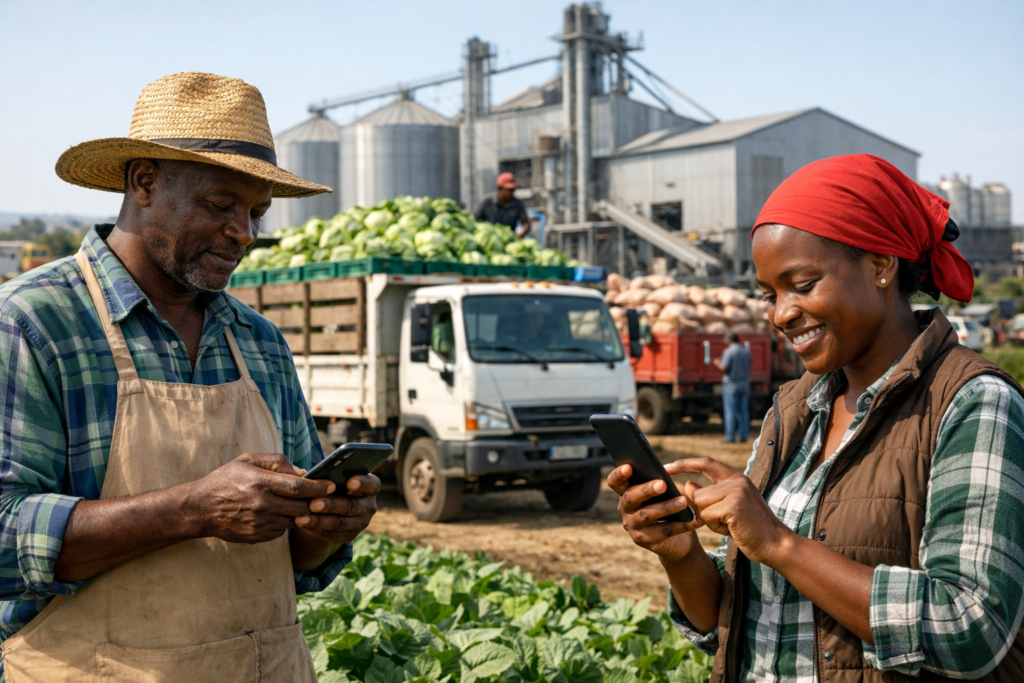
Today, online platforms and digital marketplaces are changing that reality. Farmers can now connect directly with wholesalers, processors, exporters, retailers, and even manufacturers from their phones. This opens access to larger markets, better pricing opportunities, and more predictable sales.
Here are practical tips to help smallholder farmers successfully connect with buyers online.
1) Join a Trusted Digital Marketplace
The easiest way to start is by registering on a trusted agricultural marketplace.
Platforms like Offtakenow help connect suppliers, aggregators, and farmers with industrial buyers while also supporting logistics, financing, and quality assurance.
Benefits include:
- Direct access to verified buyers
- Better price transparency
- Reduced dependence on middlemen
- Faster trade negotiations
- Support for logistics and quality checks
Instead of waiting for market days, farmers can list available produce and receive buyer interest faster.
2) Create a Complete and Professional Product Listing
Online buyers need clear information before making decisions.
Every product listing should include:
- Commodity name
- Quantity available
- Harvest date
- Moisture level (if relevant)
- Grade or quality specification
- Farm location
- Packaging type
- Expected delivery timeline
For example, instead of writing “I have maize for sale”, a stronger listing would say:
5 metric tonnes of Grade A dried maize, 13% moisture, available in Kaduna, bagged in 50kg sacks, ready for immediate pickup.
Detailed listings improve trust and increase buyer response rates.
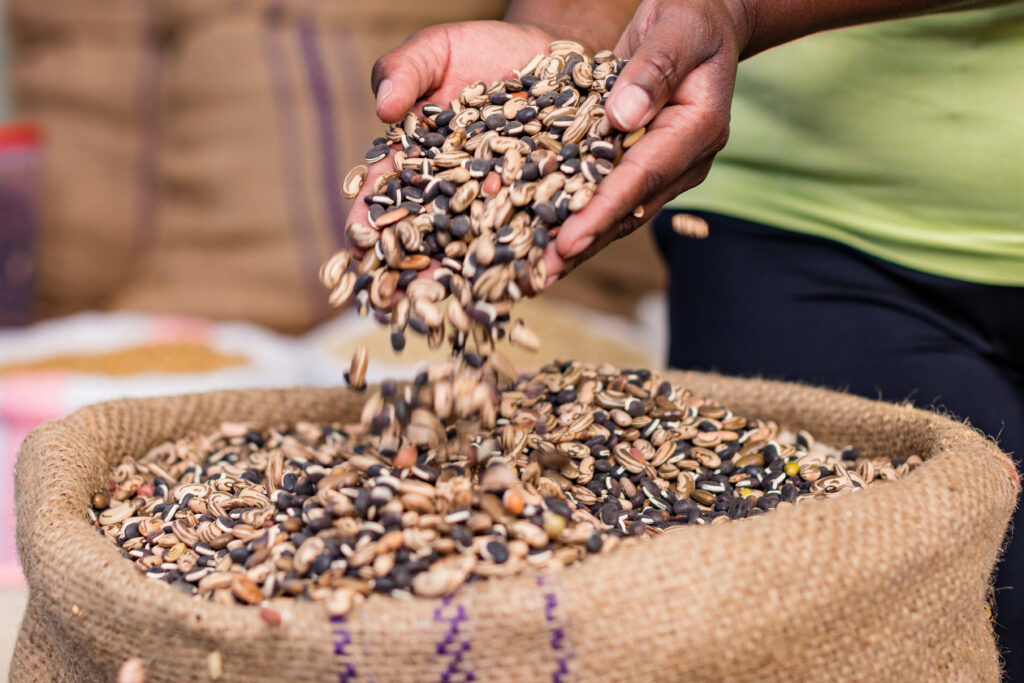
3) Use Clear, Realistic Photos
Buyers trust what they can see.
Good photos help buyers assess:
- crop cleanliness
- size consistency
- packaging quality
- storage conditions
- freshness
Tips for better photos:
- Use natural daylight
- Take close-up and wide-angle shots
- Show bagged products clearly
- Include warehouse or farm setting
- Avoid blurry or dark images
A realistic image can make the difference between getting ignored and getting a serious inquiry.
4) Understand Buyer Requirements
Different buyers want different standards.
For example:
- Food manufacturers need consistent volume
- Exporters require quality certifications
- Retailers may want branded packaging
- Feed mills focus on moisture and cleanliness
Farmers who understand buyer requirements can prepare produce to meet those standards before listing.
This improves trust and repeat purchases.
5) Respond Quickly to Buyer Messages
Online marketplaces move fast.
When buyers send inquiries, delayed replies can cost the sale.
Best practices:
- respond within minutes or hours
- confirm quantity immediately
- share loading timeline
- discuss payment terms clearly
- provide pickup or delivery details
Fast response times make farmers appear more reliable and professional.

6) Build Trust Through Consistency
Online selling is built on trust.
The easiest way to gain repeat buyers is by being consistent with:
- product quality
- agreed quantity
- delivery timelines
- communication
- honest descriptions
If you list 10 tonnes, ensure 10 tonnes are available.
If moisture is 12%, make sure it is accurate.
Trust leads to:
- repeat orders
- better pricing
- long-term contracts
- off-take agreements
7) Use WhatsApp and Social Media Strategically
Not every buyer starts from a formal marketplace.
Farmers can also use:
- WhatsApp Business
- Facebook groups
- Telegram commodity channels
- LinkedIn for B2B buyers
WhatsApp is especially powerful in Nigeria and across Africa because many aggregators and buyers already use it daily.
Useful tactics:
- post available stock weekly
- share short videos from the farm
- upload current warehouse photos
- post harvest updates
- share customer testimonials
This keeps buyers aware of supply availability.
8) Partner With Aggregators for Bigger Volumes
Some buyers require large quantities that individual farmers cannot supply alone.
This is where aggregation becomes powerful.
Farmers can collaborate with:
- cooperatives
- local buying groups
- warehouse operators
- digital aggregators
Pooling supply makes it easier to attract:
- processors
- exporters
- manufacturers
- institutional buyers
Larger volumes often command better prices.
9) Prioritize Quality and Post-Harvest Handling
The fastest way to lose buyers online is poor quality control.
Before listing produce:
- dry properly
- remove foreign matter
- sort by grade
- use clean bags
- avoid moisture contamination
- store in ventilated spaces
Digital buyers often make decisions based on reputation and repeat performance.
Better post-harvest handling improves ratings and referrals.
10) Use Digital Payments and Clear Records
Always maintain proper records of:
- quantity sold
- agreed price
- delivery date
- buyer details
- payment confirmation
Using digital payments improves trust and creates transaction history.
This transaction record can later help farmers access:
- working capital
- trade financing
- purchase order financing
- warehouse receipt loans
Financial visibility makes future growth easier.
11) Sell Before Peak Market Saturation
Many farmers rush online only after everyone in their area has harvested.
This creates oversupply.
Instead:
- start marketing before harvest
- secure off-take interest early
- post expected volumes
- lock in buyers ahead of peak season
Early visibility often results in better pricing and reduced post-harvest losses.
12) Focus on Long-Term Buyer Relationships
The goal is not just one sale.
The real value comes from building recurring buyer relationships.
Long-term buyers offer:
- stable demand
- faster transactions
- reduced price negotiation stress
- possible pre-financing
- forward contracts
A buyer who trusts your consistency may commit to multiple seasons.
That is how smallholder farmers scale.
Conclusion
Connecting with buyers online is one of the most powerful growth opportunities for smallholder farmers in Africa.
By using trusted digital marketplaces, improving product listings, maintaining quality, responding quickly, and building buyer trust, farmers can move beyond local middlemen and access larger, more profitable markets. Digital platforms are already helping farmers gain fairer prices, reduce waste, and improve long-term income stability.
As agricultural trade becomes more digital, the farmers who adapt early will be better positioned to grow sustainably.
References
- FAO. Digital technologies for Africa’s smallholder farmers
Available at: https://www.fao.org/e-agriculture/blog/how-digital-technologies-can-help-africa%E2%80%99s-smallholder-farmers - Agritech Digest. Digital marketplaces transforming farm sales
Available at: https://agritechdigest.com/how-digital-marketplaces-are-transforming-farm-sales-for-smallholder-farmers/ - Offtakenow. Digital marketplace for agro-commodity trade
Available at: https://offtakenow.com/