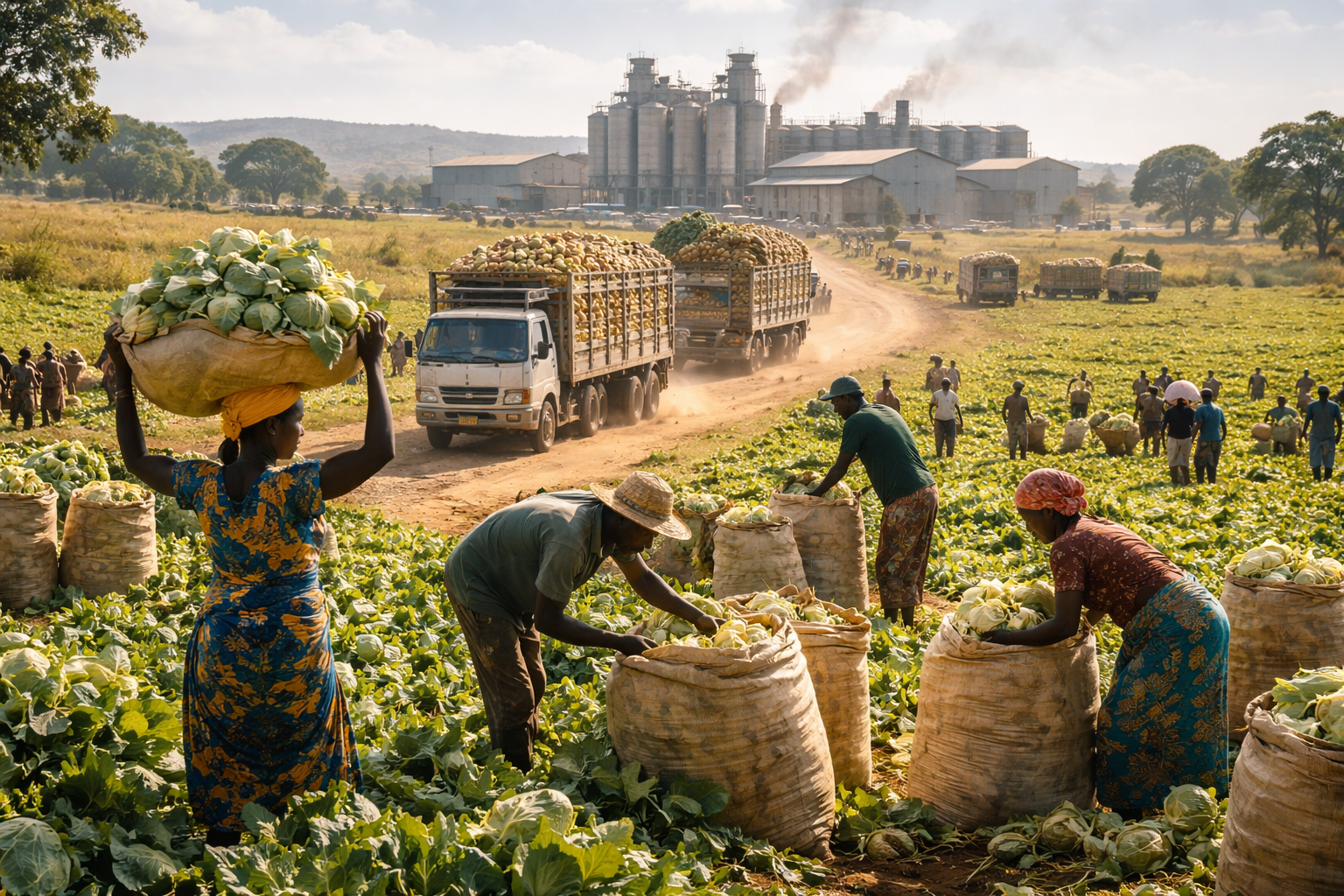
Agriculture is the backbone of many African economies, supporting millions of farmers, suppliers, traders, and manufacturers. However, agricultural products do not move directly from farms to consumers. Instead, they pass through a structured process known as the agro-commodity supply chain.
This supply chain connects farmers who produce crops with manufacturers and processors who transform them into finished goods. Understanding how this system works is essential for farmers, aggregators, traders, and businesses that rely on agricultural raw materials.
In this article, we break down the agro-commodity supply chain and explain how commodities move from farm to factory, highlighting the key players, processes, and opportunities for improvement.
What Is an Agro-Commodity Supply Chain?
An agro-commodity supply chain refers to the series of processes involved in producing, collecting, transporting, processing, and delivering agricultural commodities to industries or markets.
Common agro-commodities include:
- Cocoa
- Cashew
- Maize
- Rice
- Soybeans
- Palm oil
- Sesame seeds
These commodities serve as raw materials for many industries such as food manufacturing, animal feed production, and export trade.
According to the Food and Agriculture Organization, efficient agricultural supply chains play a crucial role in improving food security, reducing waste, and increasing farmer incomes.
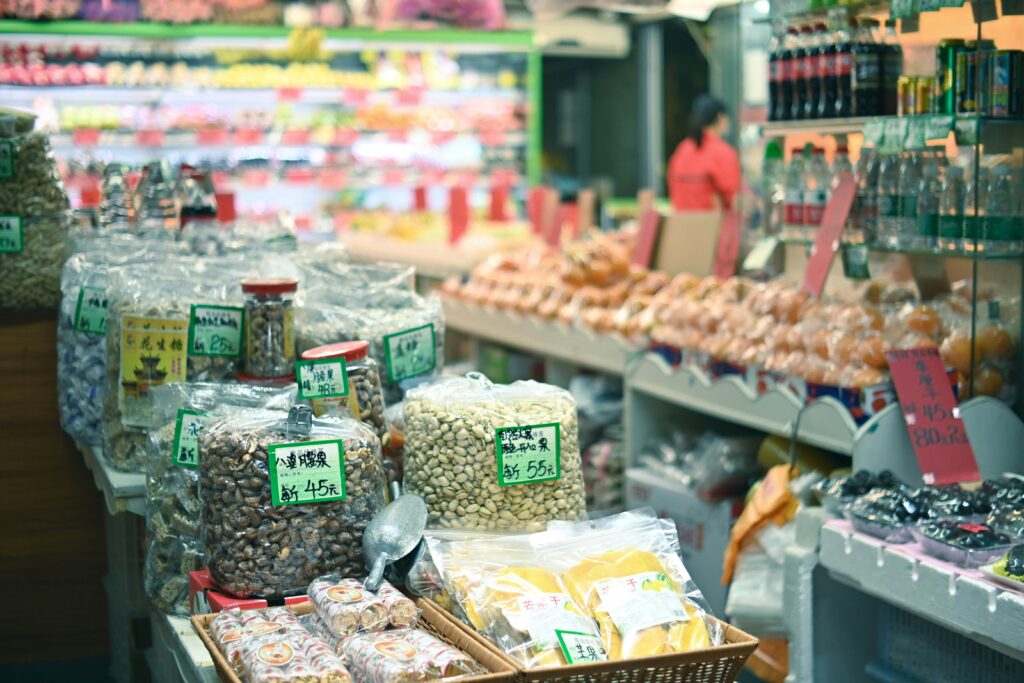
Stage 1: Production on the Farm
The supply chain begins with farm production, where farmers cultivate crops and prepare them for harvest. This stage involves:
- Land preparation
- Planting and crop management
- Fertilizer and pest control
- Harvesting
Farmers are the foundation of the entire agro-commodity system. Their productivity and crop quality directly affect every other stage of the supply chain.
However, smallholder farmers often face challenges such as:
- Limited access to modern farming equipment
- Lack of financing for inputs
- Unpredictable weather conditions
- Limited access to reliable buyers
Improving farm productivity is therefore critical to strengthening the entire supply chain.
Stage 2: Aggregation and Collection
Once crops are harvested, they are typically collected by aggregators or local traders who gather produce from multiple farmers.
Aggregation is important because:
- Manufacturers require large volumes of commodities
- Individual farmers usually produce smaller quantities
- Aggregators help consolidate supply for easier transport and trade
At this stage, commodities are:
- Weighed and graded
- Packed into bags or containers
- Temporarily stored before transportation
Aggregators play a crucial role in linking rural farmers to larger markets.
Stage 3: Storage and Warehousing
After aggregation, commodities often move into storage facilities or warehouses. Proper storage helps maintain product quality and prevent losses.
Storage facilities may include:
- Rural storage centers
- Commodity warehouses
- Cooperative storage facilities
Good storage management helps prevent:
- Moisture damage
- Pest infestations
- Mold growth
- Quality deterioration
Unfortunately, post-harvest losses remain a major issue in many parts of Africa. The World Bank estimates that a significant portion of agricultural produce in developing countries is lost due to poor storage and logistics systems.
Improving storage infrastructure can dramatically increase farmer incomes and reduce waste.
Stage 4: Transportation and Logistics
Once commodities are stored or aggregated, they must be transported to processing factories, export terminals, or distribution centers.
Transportation typically involves:
- Trucks transporting produce from rural areas
- Rail or road logistics networks
- Movement to processing plants or export warehouses
Logistics is a critical part of the agro-commodity supply chain because delays or poor transportation conditions can reduce product quality.
For example:
- Perishable crops may spoil during long transport times
- Poor roads can slow deliveries
- Lack of coordination may increase costs
Efficient logistics ensure that agricultural commodities arrive on time and in good condition.
Stage 5: Processing and Manufacturing
When commodities reach factories, they are transformed into processed goods. This stage is where value addition occurs.
Examples include:
- Cocoa beans processed into chocolate products
- Cashew nuts shelled and packaged for export
- Maize milled into flour
- Palm fruits processed into palm oil
Processing adds economic value by turning raw commodities into finished or semi-finished products that can be sold in domestic or international markets.
Local processing industries also create jobs and support economic growth.
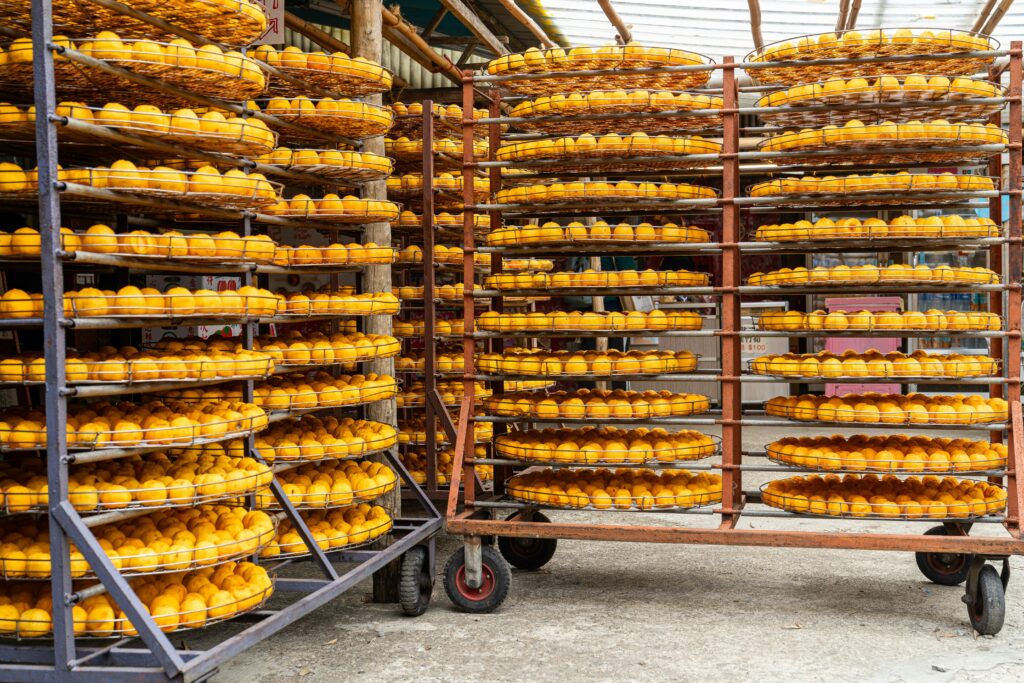
Stage 6: Distribution and Market Supply
After processing, products move into distribution channels such as:
- Wholesale markets
- Retail stores
- Food manufacturers
- Export markets
At this stage, commodities or finished products reach their final users. Efficient distribution ensures consistent supply for industries and consumers.
Strong supply chains reduce costs, improve product availability, and stabilize prices.
Key Challenges in the Agro-Commodity Supply Chain
Despite its importance, the agro-commodity supply chain faces several challenges:
Limited Market Access
Many farmers lack direct connections to manufacturers or exporters, forcing them to rely on middlemen.
Poor Infrastructure
Weak road networks, limited storage facilities, and inefficient logistics systems can disrupt supply chains.
Financing Constraints
Farmers and suppliers often struggle to access credit needed for production, storage, and transportation.
Information Gaps
Without reliable market data, farmers may sell crops at lower prices or miss profitable opportunities.
Addressing these challenges is essential for improving agricultural productivity and trade.
The Role of Technology in Modern Supply Chains
Technology is transforming how agro-commodity supply chains operate. Digital platforms and marketplaces now help connect farmers, suppliers, and buyers more efficiently.
These platforms provide:
- Transparent pricing information
- Direct connections between farmers and manufacturers
- Trade financing opportunities
- Logistics coordination
Platforms like Offtakenow are helping streamline agro-commodity trading by improving transparency and reducing supply chain inefficiencies.
Digital solutions are making it easier for farmers to access markets and for manufacturers to secure reliable supplies.
Why Efficient Supply Chains Matter
Efficient agro-commodity supply chains deliver several benefits:
- Higher incomes for farmers
- Reduced food losses and waste
- More reliable raw materials for manufacturers
- Increased agricultural exports
- Stronger economic growth
As demand for agricultural products continues to rise globally, improving supply chain efficiency will remain a key priority for governments, businesses, and development organizations.
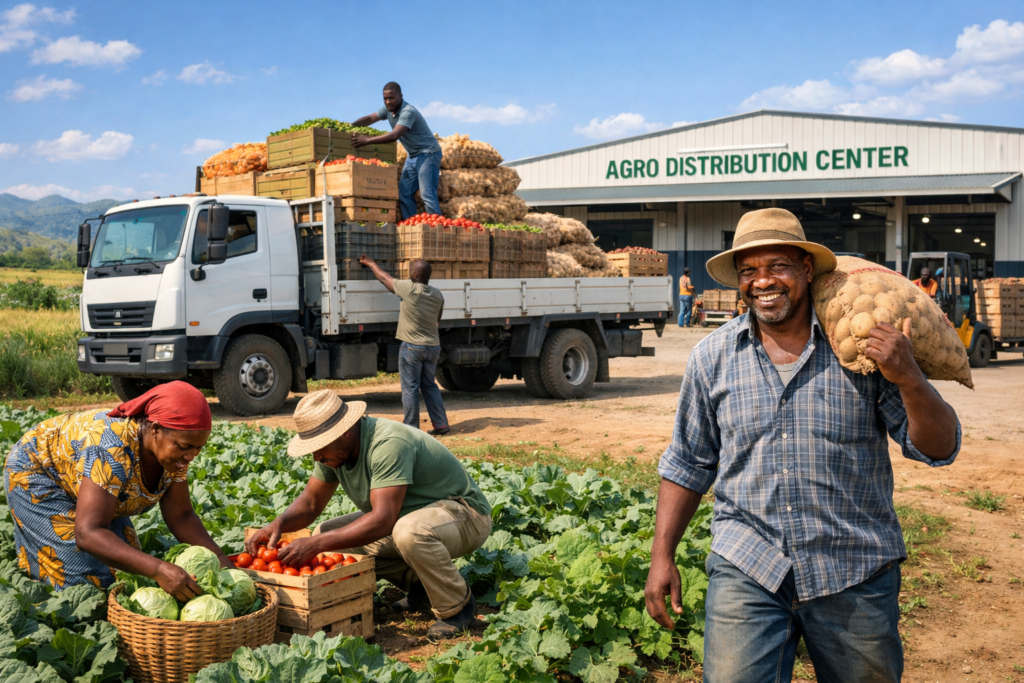
Conclusion
The agro-commodity supply chain plays a vital role in connecting farms to factories and markets. From production and aggregation to transportation and processing, each stage contributes to the efficient movement of agricultural goods.
By improving infrastructure, expanding access to financing, and adopting digital trade platforms, Africa can strengthen its agricultural supply chains and unlock new economic opportunities for farmers, suppliers, and manufacturers.
A more efficient farm-to-factory system ultimately leads to greater productivity, reduced waste, and stronger agricultural trade across the continent.
References
- Food and Agriculture Organization (FAO). Agricultural Supply Chains and Food Systems.
Available at: https://www.fao.org - World Bank. Agricultural Value Chain Development.
Available at: https://www.worldbank.org - International Trade Centre. Agricultural Commodity Market Analysis.
Available at: https://www.intracen.org