
Africa’s agricultural sector employs millions of people and contributes significantly to GDP across many countries. Yet, for decades, agricultural supply chains have struggled with inefficiencies — fragmented markets, poor price transparency, limited access to finance, and weak logistics infrastructure.
Today, digital marketplaces are reshaping this landscape. Platforms like Offtakenow are helping connect farmers, manufacturers, suppliers, and buyers in a more transparent and efficient ecosystem. The result is a smarter, faster, and more inclusive agricultural supply chain.
The Traditional Agricultural Supply Chain: Where the Gaps Exist
Before digital intervention, agricultural supply chains in many African markets faced persistent challenges:
- Multiple intermediaries driving up costs
- Limited access to reliable buyers
- Poor price discovery and negotiation transparency
- Delayed payments
- Difficulty accessing working capital
- High post-harvest losses due to logistics inefficiencies
For smallholder farmers and small-to-medium manufacturers, these issues often meant low profit margins and unstable growth.
Digital marketplaces are addressing these structural gaps.
1. Direct Market Access for Farmers and Suppliers
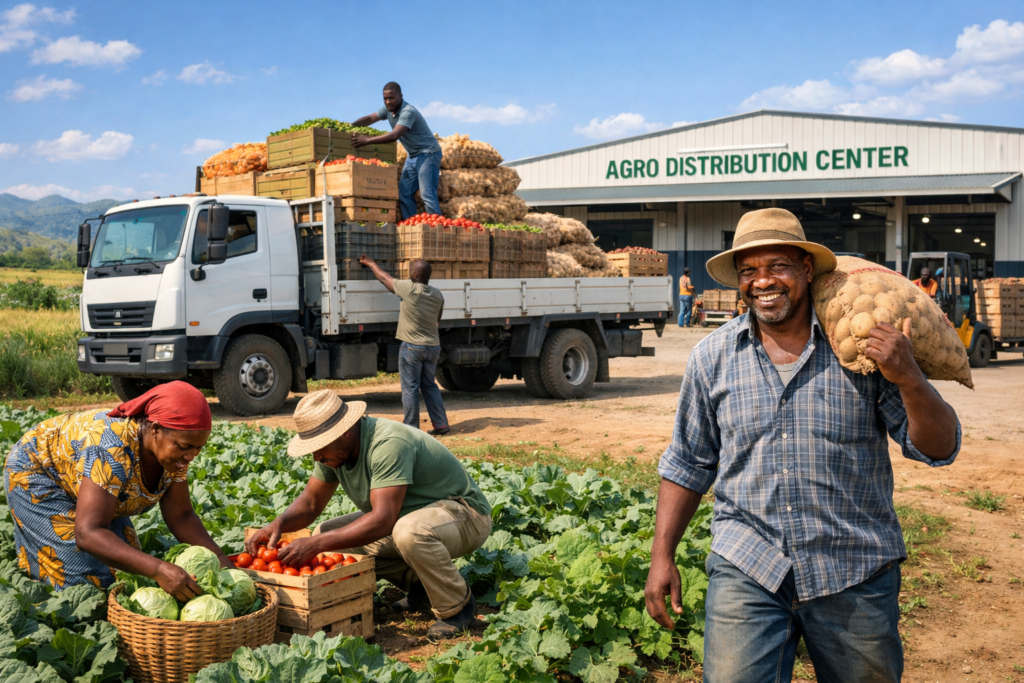
One of the most significant transformations digital platforms bring is direct access to buyers.
Instead of relying solely on middlemen, farmers and agro-processors can now:
- List available commodities online
- Connect directly with verified buyers
- Negotiate terms transparently
- Secure off-take agreements
This reduces dependency on informal channels and improves income predictability. Manufacturers also benefit by sourcing raw materials more reliably and at competitive prices.
2. Improved Price Transparency and Data Visibility
Price opacity has long been a challenge in agricultural trade. Digital marketplaces introduce:
- Real-time pricing information
- Standardized product listings
- Clear transaction documentation
- Historical trade data
This transparency empowers both buyers and sellers to make informed decisions. It reduces exploitation and stabilizes pricing structures across regions.
Over time, better data also supports smarter forecasting and demand planning.
3. Embedded Financing Solutions
Access to finance remains one of the biggest constraints in African agriculture. Many farmers and suppliers lack collateral or formal credit histories.
Digital marketplaces are increasingly integrating financing solutions into their platforms. Through structured trade agreements and verified transaction records, suppliers can:
- Demonstrate creditworthiness
- Access short-term working capital
- Secure pre-financing for production
This model reduces risk for lenders while unlocking growth opportunities for businesses that were previously excluded from formal financial systems.
4. Streamlined Logistics and Reduced Post-Harvest Losses
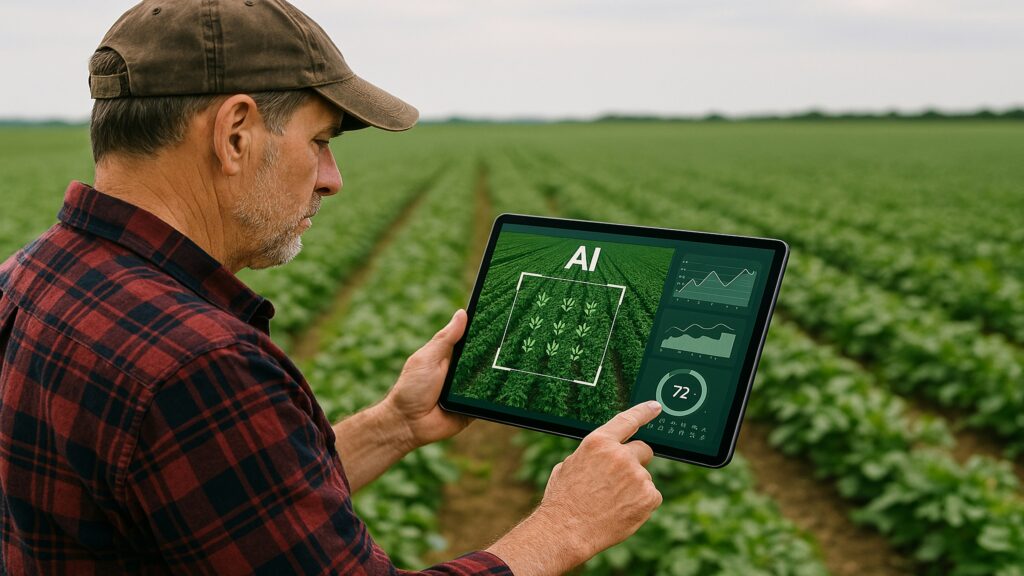
Logistics inefficiencies contribute significantly to post-harvest losses across Africa. Poor transportation networks and lack of storage infrastructure often result in wasted produce.
Digital trade platforms help coordinate:
- Aggregation of commodities
- Scheduled transportation
- Warehouse management
- Delivery tracking
By improving coordination between producers, transporters, and buyers, marketplaces reduce delays and spoilage, improving overall supply chain efficiency.
5. Strengthening Trust Through Verification and Traceability
Trust is critical in agricultural trade. Buyers need assurance of quality and quantity, while suppliers require guaranteed payment.
Digital marketplaces strengthen trust through:
- Verified user accounts
- Digital contracts and documentation
- Transaction records
- Traceability systems
As traceability becomes more important — especially for export markets — digital systems allow better tracking of origin, quality standards, and compliance.
Organizations such as the African Development Bank have consistently emphasized the importance of technology in modernizing Africa’s agricultural value chains. Digital marketplaces align with this vision by building structured, transparent ecosystems.
6. Empowering Small and Medium Enterprises (SMEs)
Small and medium enterprises play a critical role in Africa’s agro-industrial development. However, they often lack access to:
- Large-scale buyers
- Structured procurement systems
- Reliable supplier networks
Digital platforms level the playing field. SMEs can compete more effectively, scale operations, and integrate into formal value chains without needing extensive physical infrastructure.
This inclusion supports broader economic development and job creation.

The Broader Impact on Africa’s Agricultural Economy
The transformation of agricultural supply chains through digital marketplaces has ripple effects across the economy:
- Increased income stability for farmers
- Better raw material sourcing for manufacturers
- Lower transaction costs
- Greater food security
- Improved export competitiveness
As adoption grows, digital marketplaces are not just improving trade efficiency — they are restructuring how agricultural commerce operates across the continent.
The Future of Digital Agro-Commerce in Africa
The future of agricultural supply chains in Africa will likely include:
- AI-driven demand forecasting
- Blockchain-enabled traceability
- Integrated payment and financing ecosystems
- Cross-border digital trade platforms
- Climate-smart supply chain analytics
Digital marketplaces are at the center of this evolution. By combining technology, finance, and logistics coordination, they are building the foundation for a more resilient and scalable agricultural economy.
Conclusion
Digital marketplaces are no longer optional tools — they are becoming essential infrastructure in Africa’s agricultural supply chains. By improving transparency, financing access, logistics coordination, and trust, they unlock new opportunities for farmers, suppliers, manufacturers, and buyers.
As technology adoption accelerates, platforms that bridge trade gaps and streamline operations will play a defining role in the continent’s agricultural transformation.
References
- African Development Bank. (2023). Technologies for African Agricultural Transformation.
https://www.afdb.org/en/topics-and-sectors/initiatives-partnerships/technologies-for-african-agricultural-transformation-taat - Food and Agriculture Organization (FAO). (2022). Digital Agriculture Profile: Africa.
https://www.fao.org/africa/programmes-and-projects/digital-agriculture/en/ - World Bank. (2023). Enabling the Business of Agriculture Report.
https://www.worldbank.org/en/programs/enabling-the-business-of-agriculture - McKinsey & Company. (2022). Africa’s Agricultural Opportunity: Digital Transformation Insights.
https://www.mckinsey.com/featured-insights/middle-east-and-africa