Post-harvest losses remain one of the biggest challenges facing agriculture in Nigeria and across Africa. Despite significant investments in farming, a large portion of harvested produce never reaches the market. Instead, it is lost due to poor storage, inefficient transportation, and weak supply chain systems.
Recent data shows the scale of the problem: Nigeria loses between ₦3.5 trillion and ₦5 trillion worth of food annually, with 30–40 million metric tonnes wasted due to inefficiencies in logistics and storage.
These losses are not just agricultural—they represent lost income for farmers, higher food prices for consumers, and reduced national economic growth.
However, logistics technology is emerging as a powerful solution to this challenge.
Understanding Post-Harvest Losses
Post-harvest losses occur after crops are harvested but before they reach the final consumer or processing facility. These losses are especially high in perishable goods such as:
- Tomatoes
- Fruits and vegetables
- Fish and dairy products
- Root crops
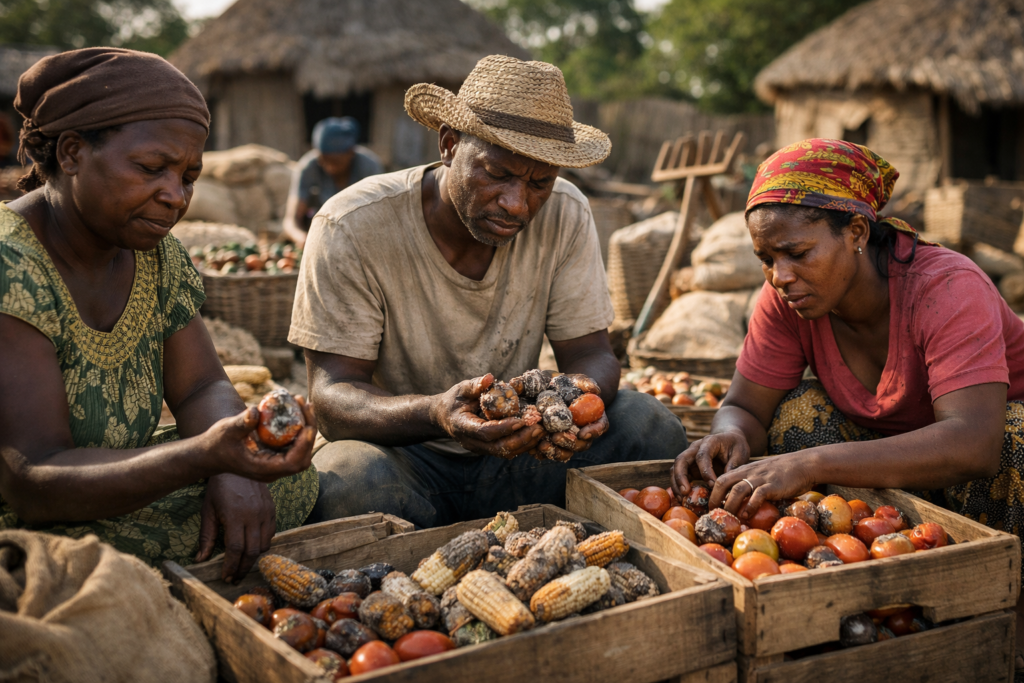
In Nigeria, up to 30–50% of agricultural output is lost annually due to poor handling, inadequate storage, and weak transportation systems.
The root causes include:
- Lack of cold storage infrastructure
- Poor rural road networks
- Delays in transportation
- Inefficient aggregation systems
- Limited access to processing facilities
Logistics sits at the center of all these challenges.
What Is Logistics Technology in Agriculture?
Logistics technology refers to digital and physical systems used to store, transport, monitor, and deliver agricultural products efficiently.
This includes:
- Cold chain systems (refrigerated storage and transport)
- GPS tracking and route optimization
- Warehouse management systems
- IoT sensors for temperature and humidity monitoring
- Digital platforms for coordinating supply and demand
These technologies help ensure that produce moves from farm to market quickly and in good condition.
1. Cold Chain Technology: The Game Changer
Cold chain logistics is one of the most effective solutions to post-harvest losses.
A cold chain is a temperature-controlled supply system that preserves perishable goods from harvest to delivery. Without it, crops spoil quickly.
In Nigeria, the lack of cold chain infrastructure is a major problem. Experts estimate that the country needs thousands of refrigerated trucks and large-scale cold storage facilities to reduce losses effectively.
With proper cold chain systems:
- Shelf life of produce is extended
- Spoilage is significantly reduced
- Farmers can sell at better prices instead of rushing to market
Technologies improving cold chains include:
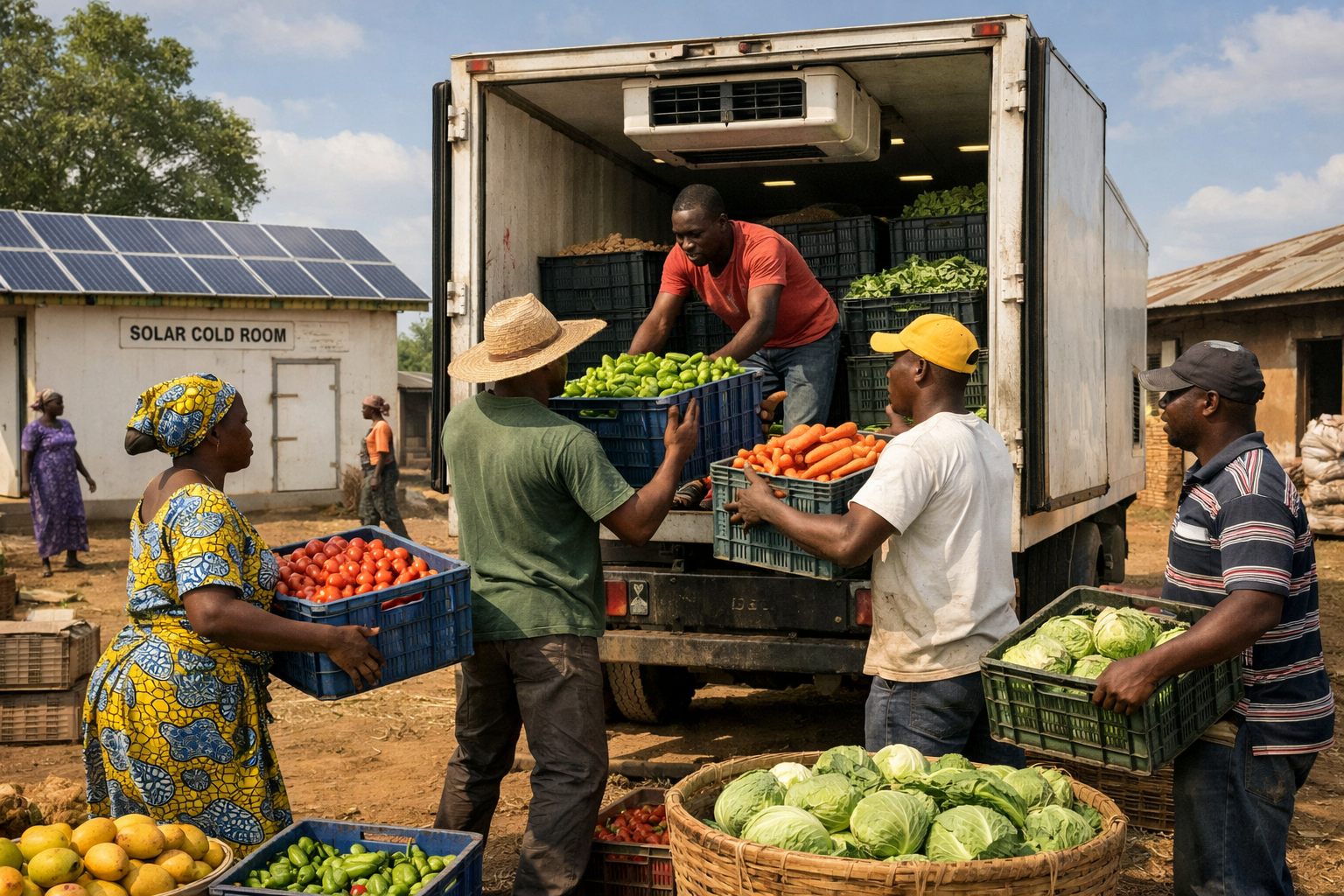
- Solar-powered cold storage units in rural areas
- Mobile cold rooms near farms
- Refrigerated trucks (reefers) for long-distance transport
These innovations are especially impactful in regions with unreliable electricity.
2. Smart Transportation and Route Optimization
Transportation delays are a major cause of food spoilage. Poor roads and inefficient routing often mean produce spends too long in transit.
Logistics technology addresses this through:
- GPS tracking systems to monitor delivery routes
- AI-powered route optimization to reduce travel time
- Load matching systems to ensure trucks are fully utilized
These tools help farmers and logistics providers:
- Deliver produce faster
- Reduce fuel and operational costs
- Prevent unnecessary delays
Even saving a few hours in transit can significantly extend the shelf life of perishable goods.

3. Warehouse and Storage Technology
Storage is another critical stage where losses occur. Poor storage conditions can lead to:
- Mold growth
- Pest infestations
- Moisture damage
- Quality deterioration
Modern warehouse technologies help address these issues through:
- Temperature and humidity monitoring systems
- Automated ventilation controls
- Digital inventory tracking
- Early warning systems for spoilage
Sensors and IoT devices can detect changes in storage conditions in real time, allowing quick intervention before damage occurs.
4. Digital Marketplaces and Supply Chain Coordination
One major reason for post-harvest losses is market mismatch—produce is harvested without a ready buyer, leading to delays and spoilage.
Digital platforms like Offtakenow help solve this by:
- Connecting farmers directly with buyers
- Enabling pre-arranged off-take agreements
- Providing real-time demand and pricing data
- Coordinating logistics between supply and demand
With better coordination, farmers harvest based on demand, reducing the risk of excess supply and waste.
5. Real-Time Tracking and Traceability
Traceability systems allow stakeholders to track produce throughout the supply chain.
Using technologies like:
- QR codes
- Blockchain systems
- GPS-enabled tracking
stakeholders can monitor:
- Location of goods
- Storage conditions
- Delivery timelines
This improves accountability and ensures quality standards are maintained.
For exporters, traceability also helps meet international requirements, opening access to premium markets.
6. Mobile and Data-Driven Solutions
Mobile technology is playing a key role in improving logistics efficiency.
Farmers and traders can now:
- Access market information via mobile apps
- Coordinate transport and storage
- Receive alerts on pricing and demand trends
Data-driven systems also enable:
- Demand forecasting
- Harvest timing optimization
- Supply chain planning
These tools reduce uncertainty and help farmers make better decisions.
7. The Role of Agro-Processing and Local Hubs
Another logistics-related solution is bringing processing closer to farms.
Agro-processing hubs:
- Reduce the distance produce needs to travel
- Convert perishable goods into longer-lasting products
- Minimize transportation delays
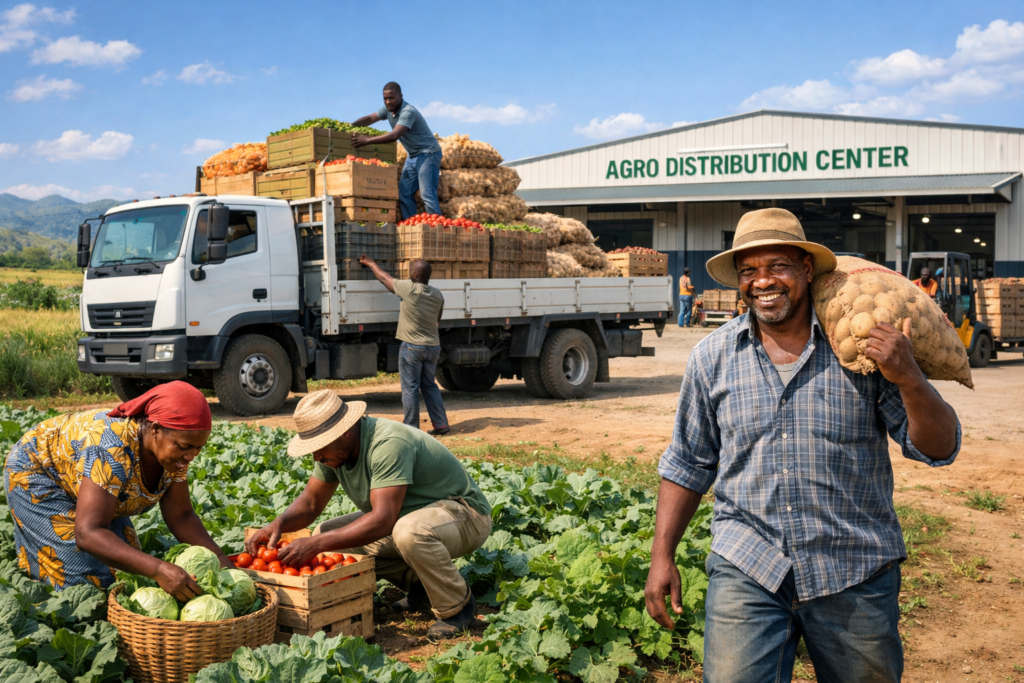
Initiatives such as agro-industrial processing zones aim to locate factories near farming communities, reducing losses and strengthening value chains.
Beyond Nigeria: A Continental Opportunity
While Nigeria faces significant challenges, the issue of post-harvest losses is widespread across Africa.
Across the continent:
- Up to 40% of food is lost post-harvest
- Weak logistics systems limit export potential
- Farmers lose income due to inefficiencies
Logistics technology presents a major opportunity to:
- Improve food security
- Increase farmer incomes
- Boost agricultural exports
- Strengthen regional trade
Countries investing in logistics infrastructure and technology will gain a competitive advantage in global agricultural markets.
Challenges to Adoption
Despite its potential, logistics technology adoption faces several barriers:
- High initial investment costs
- Limited infrastructure in rural areas
- Lack of technical knowledge among farmers
- Inconsistent power supply
Addressing these challenges requires collaboration between:
- Governments
- Private sector investors
- Development organizations
- Agritech startups
The Future of Logistics in Agriculture
The future of agricultural logistics in Nigeria and Africa will likely include:
- AI-powered supply chain optimization
- Expansion of solar-powered cold storage
- Growth of digital trade platforms
- Increased investment in rural infrastructure
- Integration of financing with logistics services
As these technologies scale, they will transform agriculture from a high-loss system into a high-efficiency value chain.
Conclusion
Post-harvest losses in Nigeria represent a massive economic and food security challenge—but also a significant opportunity.
Logistics technology is at the heart of the solution. From cold chain systems and smart transportation to digital marketplaces and warehouse monitoring, these innovations are reshaping how agricultural products move from farm to market.
By investing in logistics technology, Nigeria and other African countries can reduce waste, improve farmer incomes, enhance food security, and unlock the full potential of their agricultural sectors.
References
- Nigeria recorded ₦5 trillion post-harvest losses in 2025
https://nairametrics.com/2026/02/23/otaccwa-nigeria-recorded-n5-trillion-post-harvest-losses-in-2025/ - Post-harvest losses driven by poor logistics and infrastructure
https://businessday.ng/agriculture/article/how-lack-of-funding-poor-logistics-drive-nigerias-n3-5trn-post-harvest-losses/ - Nigeria loses up to $10 billion annually to post-harvest waste
https://www.vanguardngr.com/2025/12/nigeria-loses-up-to-10bn-annually-to-post-harvest-waste-agritech-firm/ - Cold chain solutions for reducing agricultural losses
https://agribusiness.africa/how-cold-chain-can-reduce-post-harvest-losses-contribute-n2trn-to-nigerias-economy/