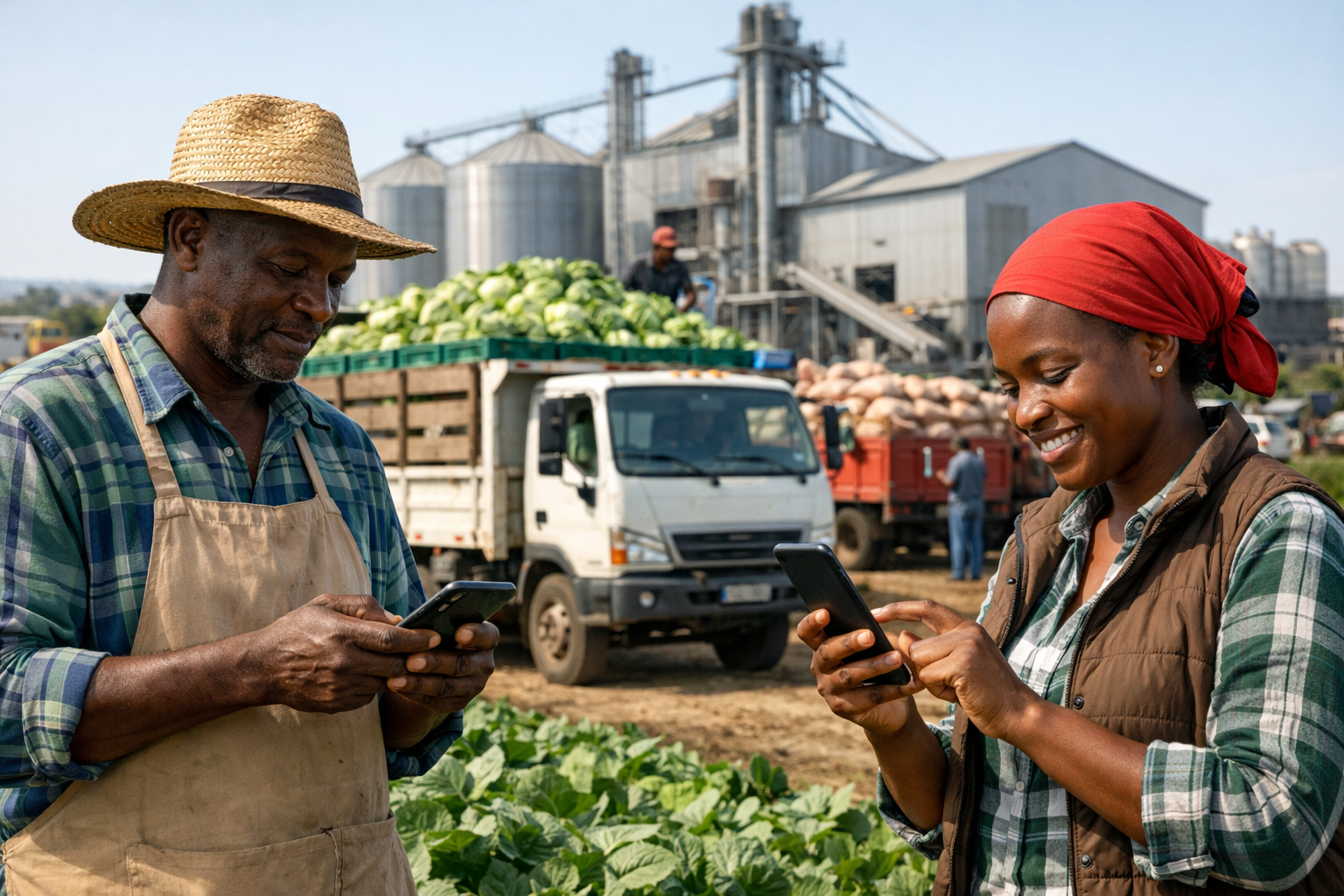
Africa is one of the world’s largest producers of agricultural commodities. Millions of smallholder farmers, agro-processors, and manufacturers rely on a complex network of intermediaries, traders, and transport systems to get crops from the farm to processing factories. Despite the continent’s enormous agricultural potential, traditional supply chains remain fragmented, slow, and inefficient. Many farmers face delayed payments, limited access to buyers, and high post-harvest losses, while manufacturers struggle to source quality raw materials consistently.
Digital marketplaces are changing the game. Platforms like Offtakenow are enabling seamless connections between farmers, suppliers, and buyers, creating a more transparent and efficient agro-commodity ecosystem. These innovations are not only improving trade but also empowering farmers, SMEs, and manufacturers across Africa.
The Traditional Farm-to-Factory Gap
Historically, moving agricultural produce from farm to factory in Africa has been challenging due to:
- Multiple intermediaries: Crops often pass through several traders, driving up costs and reducing farmers’ profits.
- Limited access to buyers: Many farmers cannot reach industrial buyers directly and rely on local markets, which often offer lower prices.
- Poor visibility of prices and demand: Without accurate market data, farmers struggle to make informed decisions about what to grow and when to sell.
- Difficulty accessing financing: Many suppliers and farmers cannot secure working capital due to lack of collateral or formal credit history.
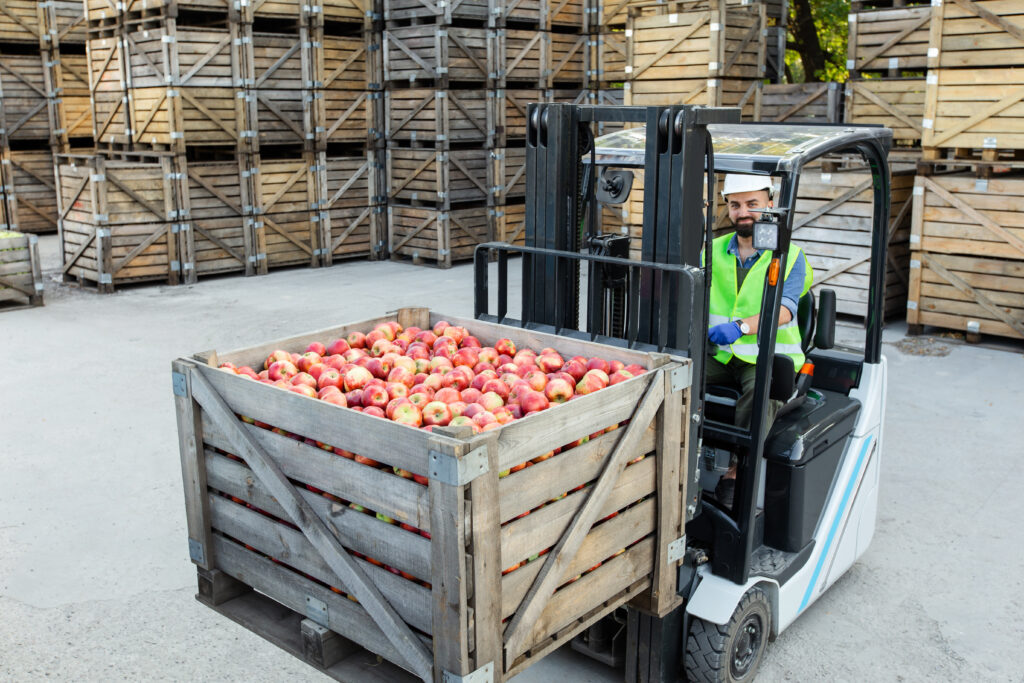
- Inefficient logistics: Inadequate transport networks and storage facilities lead to high post-harvest losses, sometimes up to 30% of total production.
These bottlenecks have long constrained Africa’s agro-commodity sector, limiting growth, profitability, and supply chain efficiency.
How Digital Marketplaces Bridge the Gap
Digital marketplaces are disrupting these traditional challenges, creating opportunities for all stakeholders. Here’s how:
1. Direct Connections Between Farmers and Manufacturers
One of the most significant advantages of digital platforms is direct market access. Farmers and small-scale suppliers can:
- List their produce online with detailed product descriptions
- Connect instantly with verified buyers, including manufacturers and exporters
- Negotiate fair prices and secure off-take agreements
This reduces reliance on middlemen and improves income predictability. Manufacturers also benefit from a reliable supply of raw materials, reducing production delays and enabling better planning.
Example: A cassava farmer in Ogun State can now directly sell to a flour-processing factory in Lagos, bypassing three layers of intermediaries, ensuring timely payment and higher revenue.
2. Real-Time Market Insights and Pricing
Traditional agricultural trade in Africa suffers from price opacity, making it difficult for farmers to know the true market value of their produce. Digital marketplaces introduce:
- Live pricing information to track supply and demand trends
- Standardized product listings for clarity and fairness
- Historical trade data to help farmers predict optimal selling times
With accurate market data, farmers can make informed production and selling decisions, and manufacturers can plan procurement more effectively.
Statistic: According to the World Bank, digital market access can increase farmers’ income by 15–20% by reducing intermediaries and improving price transparency.
3. Embedded Financing and Credit Access
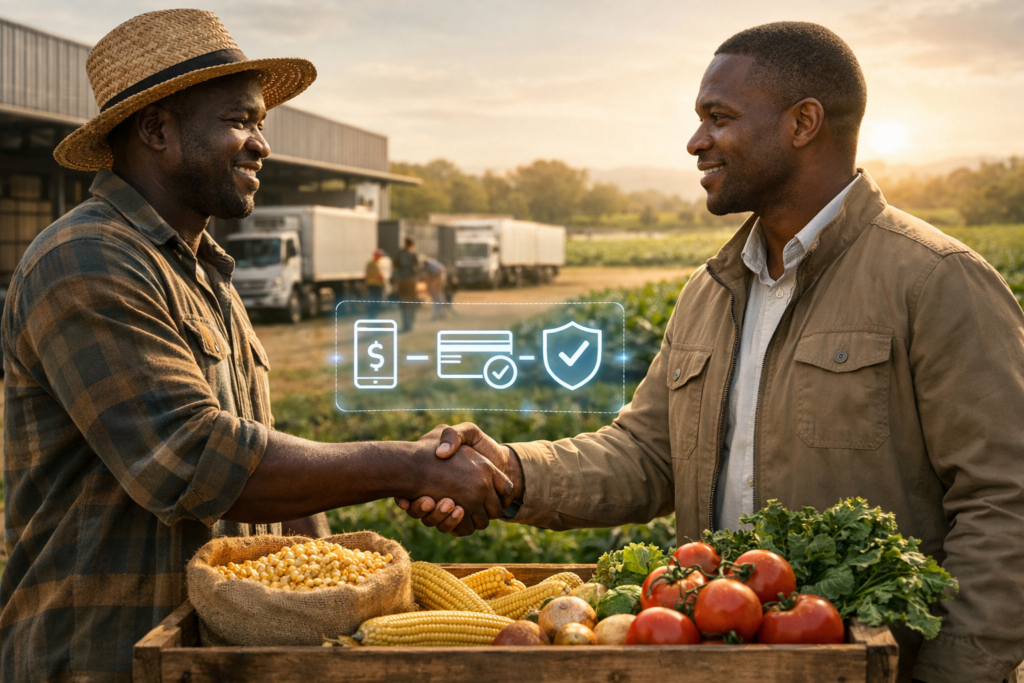
Access to finance remains one of the most pressing constraints in African agriculture. Many farmers and SMEs cannot secure loans from traditional banks. Digital marketplaces address this by integrating financing solutions, which allow suppliers to:
- Demonstrate creditworthiness through verified transaction histories
- Access working capital loans for production, storage, or transportation
- Pre-finance shipments to fulfill contracts and secure buyers
This reduces risk for lenders while enabling suppliers to expand operations and meet growing demand.
Example: A maize aggregator in Kenya can now secure a short-term loan via a platform to buy produce from farmers, aggregate it, and deliver it to food processors on schedule.
4. Efficient Logistics and Reduced Post-Harvest Losses
Logistics inefficiencies have long been a source of wasted crops. Digital trade platforms streamline operations by coordinating:
- Aggregation points for commodities
- Scheduled transport to factories
- Warehouse management and inventory tracking
- Real-time delivery tracking
By improving logistics, platforms reduce post-harvest losses, which in some African countries account for up to 30% of annual production, ensuring more produce reaches the market in optimal condition.
5. Traceability and Trust
Trust is critical in agro-commodity trade. Manufacturers require assurance of quality and quantity, while suppliers need guaranteed payments. Digital marketplaces strengthen trust through:
- Verified user accounts and digital contracts
- Secure transaction records
- Traceability systems for quality and compliance
Traceability also opens opportunities for export markets, where adherence to quality and safety standards is mandatory.
Example: Cocoa exporters in Ghana are using digital platforms to track the origin and quality of beans, ensuring compliance with international standards and attracting higher-value contracts.
6. Empowering Small and Medium Enterprises (SMEs)
SMEs are vital to Africa’s agro-industrial growth but often struggle with market access, procurement, and scaling operations. Digital marketplaces level the playing field, enabling SMEs to:
- Connect with larger buyers and distributors
- Compete fairly with established suppliers
- Scale operations without heavy investment in physical infrastructure
In turn, this boosts employment, strengthens local economies, and fosters industrial growth.
Case Study: Offtakenow’s Impact
Platforms like Offtakenow have already demonstrated measurable impact:
- Increased income for farmers: Direct access to industrial buyers has improved profit margins by 15–25%
- Reduced post-harvest losses: Coordinated logistics and storage solutions have minimized spoilage
- SME growth: Small suppliers now secure off-take agreements with multiple factories, reducing dependency on informal markets
- Financing access: Verified transactions allow SMEs to access working capital loans, enabling expansion and productivity
This shows how technology can unite the agricultural ecosystem, benefiting all players from farm to factory.
Broader Impacts on Africa’s Agricultural Sector
Digitizing farm-to-factory trade has ripple effects:
- Higher incomes for farmers and suppliers
- Reliable sourcing for manufacturers
- Lower costs and fewer inefficiencies
- Improved food security
- Enhanced export competitiveness
Digital marketplaces are not just technology tools—they are critical infrastructure for a modern, efficient agricultural economy.
The Future of Digital Agro-Commerce
The next phase of digital transformation in African agriculture includes:
- AI-powered demand forecasting to optimize production
- Blockchain-enabled traceability for exports
- Integrated payment and financing ecosystems
- Cross-border digital trade platforms connecting multiple African markets
- Climate-smart analytics to mitigate environmental risks
These innovations promise a resilient, scalable, and transparent agricultural value chain that empowers farmers, SMEs, and manufacturers alike.
Conclusion
From farm to factory, digitization is reshaping Africa’s agro-commodity trade. Platforms like Offtakenow enable efficient trade, financing access, reliable logistics, and traceable transactions, boosting growth for all stakeholders. As technology adoption accelerates, the African agricultural sector is poised for unprecedented productivity, inclusion, and economic impact.
References
McKinsey & Company. (2022). Africa’s Agricultural Opportunity: Digital Transformation Insights.
Available at: https://www.mckinsey.com/featured-insights/middle-east-and-africa
African Development Bank. (2023). Technologies for African Agricultural Transformation.
Available at: https://www.afdb.org/en/topics-and-sectors/initiatives-partnerships/technologies-for-african-agricultural-transformation-taat
Food and Agriculture Organization (FAO). (2022). Digital Agriculture Initiatives in Africa.
Available at: https://www.fao.org/africa/programmes-and-projects/digital-agriculture/en/
World Bank. (2023). Enabling the Business of Agriculture Report.
Available at: https://www.worldbank.org/en/programs/enabling-the-business-of-agriculture