
"Is it available?" is the first question a buyer asks and the least informative answer they receive. Existence is necessary for supply, but it is nowhere near sufficient for supply you can depend on.
The questions that follow
After availability come the questions that actually decide an order. Can it meet the specification? Can enough of it be aggregated to a consistent standard? Can it be moved to arrive inside the production window? And can that be repeated next month, and the month after?
Each of these is a different discipline, and a weakness in any one can turn abundant availability into an unreliable supply. A market full of a commodity can still fail a single production plan.
Building for repeatability
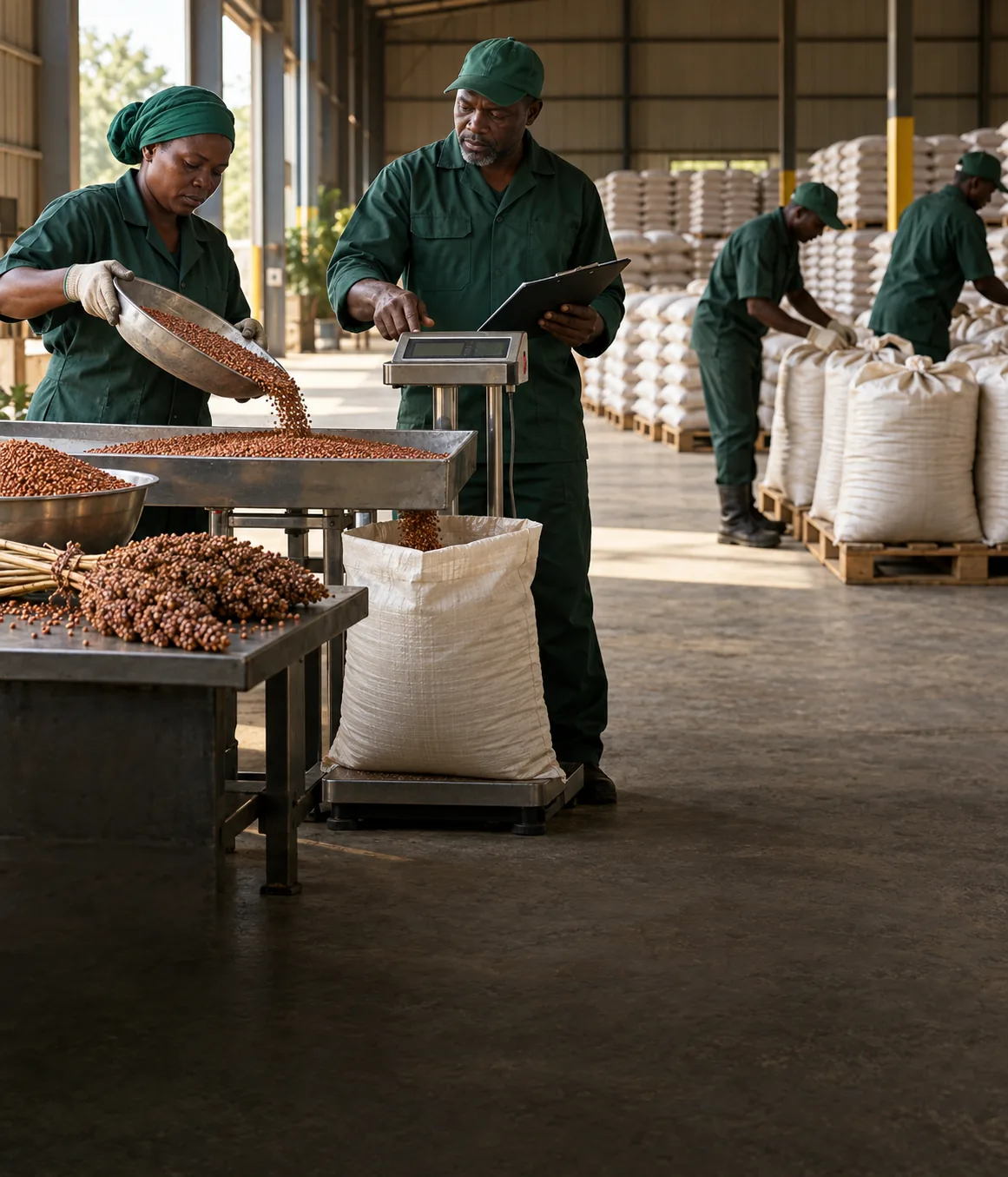
Dependable procurement is designed for the second order, not just the first. It treats quality, aggregation, movement and timing as one connected route, and it makes that route observable so problems are caught before they reach the line.
Availability tells a buyer where to start looking. Everything that makes supply reliable happens after that question is answered—which is exactly why it should never be the last one asked.